

 06/02/2026
  Steve Bearden
A cookbook that fails to stay open on a crowded counter or smudges at the first sign of moisture isn’t a professional resource; it’s a brand liability. You understand that in a high-volume kitchen, a book is a rigorous tool that faces heat, grease, and constant handling. To maintain your reputation, you need a production strategy that balances aesthetic excellence with industrial durability. This guide will show you how to master cookbook printing and binding by selecting high-performance materials that ensure your publication remains pristine and functional under pressure.
We agree that a book falling apart after three months of heavy use is a failure of engineering. We’ll provide the technical roadmap to prevent these common pitfalls while managing the complexities of modern logistics. You will learn about the 2026 shift toward lighter 200 to 250 gsm cover stocks and the return of gloss-coated interior pages for superior color depth. We also preview the logistics of national fulfillment amidst rising 5.9% shipping surcharges and volatile global pulp prices. From grease-resistant finishing to precision binding that stays flat on the counter, this is your manual for scalable, professional cookbook production.
Key Takeaways
- Define the “Cookbook Utility Factor” to ensure your publication survives the physical stresses of heat, grease, and high humidity in professional environments.
- Select the most effective cookbook printing and binding methods, comparing lay-flat Wire-O and premium Smyth-sewn options for high-end brand alignment.
- Prevent image show-through and glare by choosing the correct 80lb to 100lb paper stocks and protective matte or gloss finishes for maximum readability.
- Determine the strategic transition point from digital to offset printing to optimize costs and quality for large-scale, high-volume production runs.
- Leverage integrated kitting and fulfillment services to manage complex nationwide distribution and inventory requirements with industrial precision.
The Kitchen Environment Challenge: Why Cookbook Printing Requires Precision
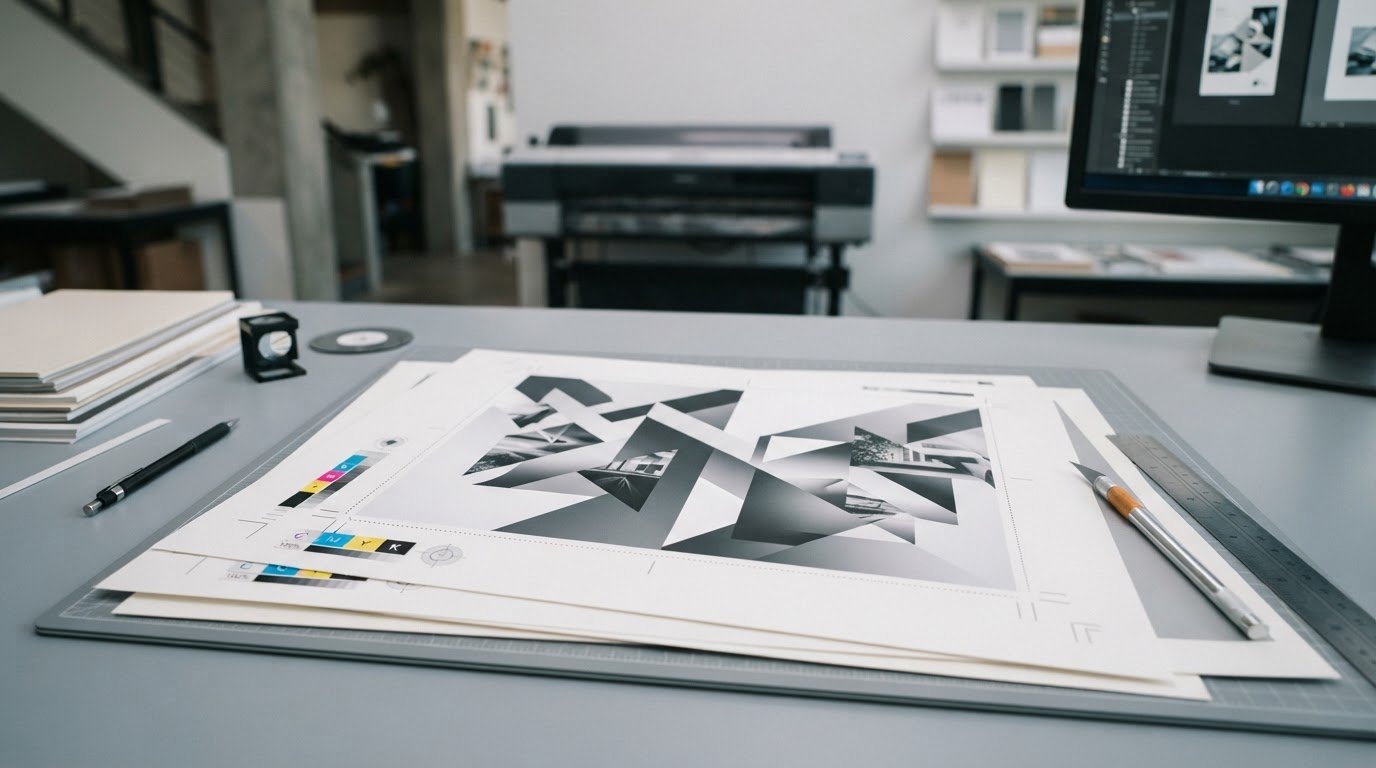
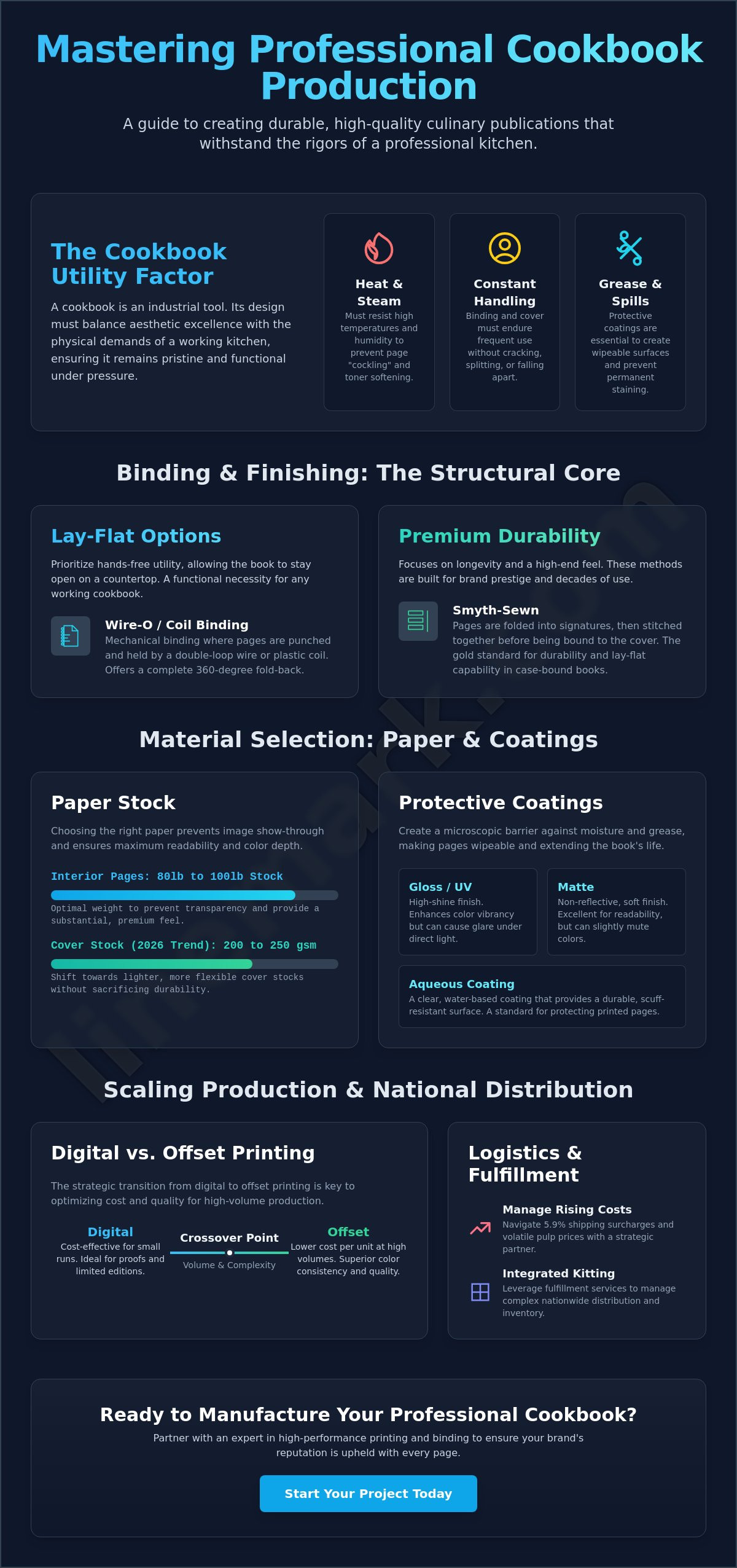
A high-end culinary publication is more than a collection of recipes; it’s a specialized piece of industrial equipment. We define this as the “Cookbook Utility Factor.” It represents the critical intersection where aesthetic brand standards meet the physical demands of a working kitchen. Unlike a coffee table book that sits undisturbed, a cookbook must endure a gauntlet of humidity, high heat, and constant tactile handling. Precision in cookbook printing and binding means anticipating these environmental variables before the first page is ever turned.
Standard commercial printing often fails in this environment. Traditional digital toners can soften when exposed to steam, and standard paper stocks absorb ambient moisture, leading to “cockling” or wavy pages. High-volume production in 2026 requires a more rigorous approach, utilizing specialized pigment-based systems or offset lithography. These methods ensure that vibrant food photography doesn’t bleed or transfer when the book is stored in a warm kitchen. You need a partner who understands that a book’s survival depends on its chemical and thermal resistance.
To better understand the technical execution of these high-standard projects, watch this helpful video:
The Lay-Flat Necessity
A book that snaps shut while a chef’s hands are covered in flour is a functional failure. Professional users require a hands-free experience, which is achieved through specific Bookbinding methods that prioritize mechanical flexibility over rigid adhesive blocks. While standard adhesive binding is cost-effective for fiction, culinary tools often utilize Smyth sewing or specialized mechanical binds to ensure the pages stay exactly where they are placed. We focus on the “stay-open” capability as a primary metric of quality. If a reader has to weigh down the corners of your book with a salt shaker, the binding has failed its primary mission.
Moisture and Grease Resistance
Kitchen spills are inevitable. Unprotected paper fibers act like a sponge for olive oil and water, causing permanent staining and structural degradation. Advanced manufacturing utilizes specialized aqueous or UV coatings to create a microscopic barrier on internal pages. This protection is essential for high-volume custom book printing projects where the end user expects a premium, wipeable surface. Beyond surface coatings, we address “wicking,” where liquids travel up the paper fibers from the bottom edge. By treating the book as a unified, sealed unit, we ensure that a single splash of sauce doesn’t ruin the integrity of the work. This level of detail is what separates a basic cookbook printing and binding service from a strategic manufacturing partnership.
Selecting the Best Cookbook Binding and Finishing Options
The physical architecture of your publication is the most important decision in the manufacturing process. While aesthetic appeal drives the initial purchase, the structural integrity of your cookbook printing and binding determines whether that book becomes a kitchen staple or a shelf-bound relic. Every binding method carries specific technical implications for your design files. Mechanical binds require a wider gutter to accommodate punches; conversely, case-bound books need precise hinge gaps to ensure the cover opens without tension. Precision at this stage prevents production delays during high-volume runs.
Choosing the right binding also influences shelf presence and brand perception. A thick, case-bound spine offers a premium canvas for branding in a retail environment. A coil-bound book prioritizes utility over spine visibility. If you’re scaling a project for a national audience, selecting the right custom book printing strategy ensures the binding matches the intended price point and user experience.
Mechanical Binding: Plastic Coil and Wire-O
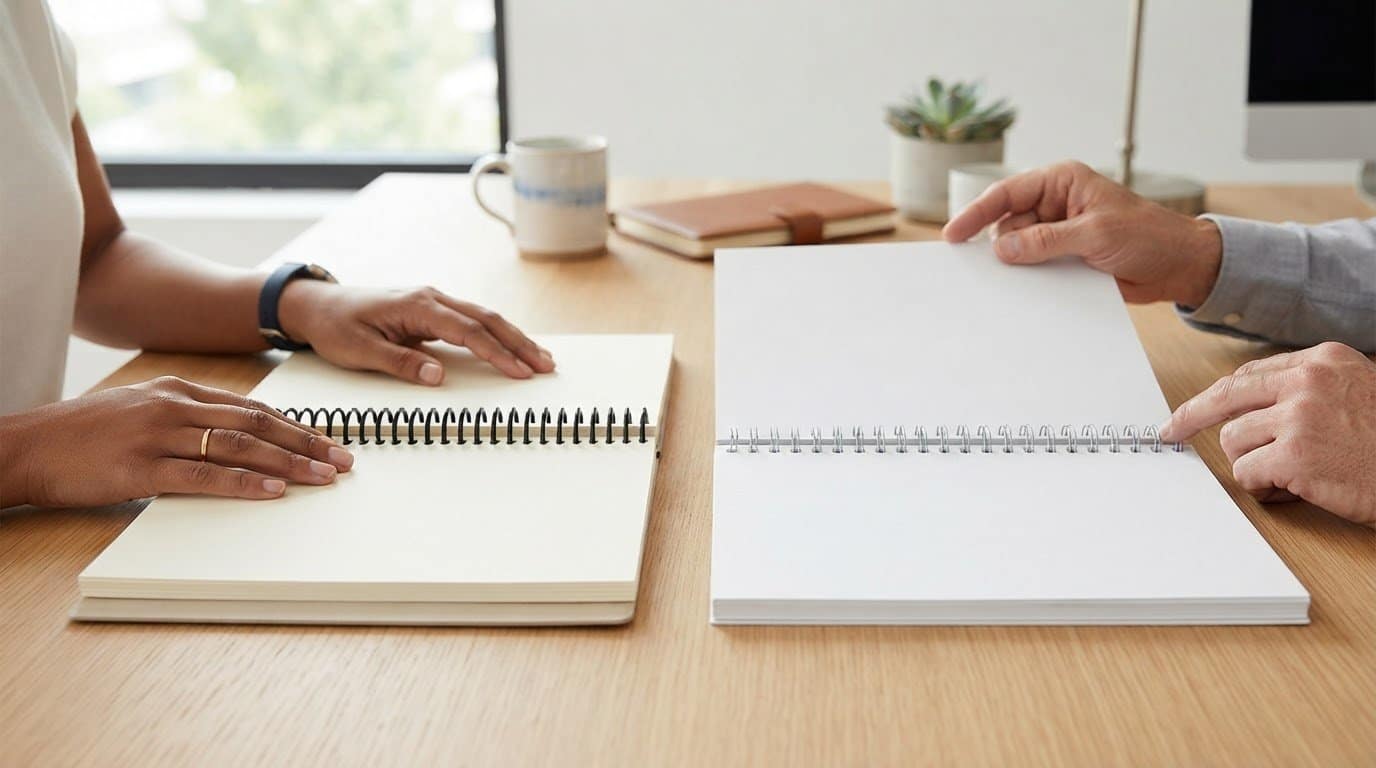
Mechanical solutions are the workhorses of the culinary world. Their primary advantage is 360-degree rotation. This allows a chef to fold the book back on itself, which saves valuable counter space in cramped environments. In 2026, we utilize advanced industrial polymers that resist warping under the high temperatures of a professional kitchen. These materials maintain their shape even when stored near ovens or stovetops.
Wire-O offers a more sophisticated aesthetic than plastic coil. You can choose an exposed wire for a modern look or a semi-concealed wire that provides a printable spine. Both options ensure the book stays perfectly flat. This functionality is essential for high-volume reference guides where hands-free use is a non-negotiable requirement for the end user.
Premium Case Binding and Smyth Sewing
For high-end brands, case binding provides an undeniable sense of authority. However, standard adhesive binding often fails in thick cookbooks. The spine can crack when forced to lay flat on a counter. Smyth sewing is the industrial solution. This process involves sewing gathered signatures together with thread before adhering them to the spine. It is the gold standard for durability.
Smyth-sewn books offer a graceful lay-flat quality that improves over time. When combined with Protective Coatings and high-quality casewraps, these books can survive decades of heavy use. You must also decide between a dust jacket and a printed casewrap. While dust jackets offer a traditional look, a printed casewrap is often more practical. There is no loose paper to catch on equipment or absorb kitchen spills, aligning your production with the long-term needs of a professional audience.
Material Selection: Paper Stocks and Protective Coatings
The selection of materials is where your brand’s aesthetic vision meets the reality of industrial longevity. In high-volume production, the choice of paper stock is a functional decision that impacts both the user experience and the bottom line. We recommend 80lb to 100lb text weights for interior pages to prevent “show-through.” This phenomenon occurs when vibrant food photography on one side of a page is visible through the other, which can distract the reader and cheapen the brand perception. Heavier stocks provide the opacity required for the high-saturation inks used in modern cookbook printing and binding.
Readability under varied kitchen lighting is another critical factor. While gloss finishes make colors pop, they can create harsh glares under bright overhead LEDs. Silk or matte finishes often provide a more professional balance, offering high contrast without the reflective distractions. To ensure these materials survive the rigors of a working kitchen, we utilize industrial-grade aqueous or UV coatings. These layers act as a microscopic shield against humidity and grease. For projects requiring extreme durability, we reference the Manufacturing Standards and Specifications for Textbooks to ensure your publication meets the highest benchmarks for structural integrity and page-pull strength.
Optimizing for Food Photography
Achieving the perfect color for a signature dish requires advanced color calibration. We focus on the “ink holdout” properties of our coated stocks. This refers to the paper’s ability to keep the ink on the surface rather than letting it soak into the fibers, which results in sharper, more vivid images. In professional food styling, we must maximize the color gamut. This is the entire range of colors that our printing systems can accurately reproduce. By using high-performance coatings, we ensure that the deep reds of a sauce or the bright greens of a garnish remain true to the original photography.
Lamination and Specialty Finishes
The cover is the first line of defense and the primary branding tool. We utilize scuff-resistant matte lamination for high-volume shipping to ensure books arrive at distribution centers in pristine condition. This prevents the “burnishing” or shiny marks that can occur when books rub together during transit. For a more tactile experience, soft-touch lamination provides a premium, velvet-like feel that encourages engagement.
- Spot UV: Use this to add a high-gloss texture to specific elements, like a drizzled sauce or a logo, making them stand out against a matte background.
- Synthetic Papers: For commercial kitchen manuals, waterproof synthetic stocks provide total immunity to liquid damage.
- Variable Data: This allows for localized versions or limited edition runs within a single production cycle.
While some competitors focus solely on recycled content, we recognize that high-recycled paper can absorb grease rapidly if left untreated. Our approach integrates these materials with the necessary barriers to ensure your cookbook printing and binding project remains a durable asset for years. This strategic material selection is what transforms a simple book into a resilient culinary tool.
Scaling Your Project: Production and National Distribution
Transitioning from a prototype to a national rollout requires more than just a larger press run. It demands a sophisticated logistical infrastructure. Success in cookbook printing and binding at this scale depends on identifying the threshold where digital efficiency meets offset cost-effectiveness. While digital printing allows for rapid market testing and minimal waste, offset lithography remains the industrial standard for high-volume runs. This transition provides superior unit economics and the highest level of color consistency across thousands of copies. When managing these complex, high-volume requirements, leveraging a partner experienced in custom book printing ensures that every unit maintains the same brand integrity as the first.
Modern industrial production also allows for high-tech personalization through variable data printing. You can produce limited editions for specific regions or personalized versions for corporate partners without halting the primary production line. This agility is essential for publishers who need to pivot based on market demand. Beyond the press, your strategy must include centralized storage and on-demand fulfillment. With 2026 shipping rates from major carriers like FedEx and UPS seeing average increases of 5.9%, a centralized distribution model is no longer optional. It is a financial necessity to mitigate rising logistics costs.
Kitting and Promotional Logistics
A national book launch often involves more than just the book itself. We see a growing demand for sophisticated kitting, where cookbooks are bundled with branded aprons, utensils, or specialty ingredients. This requires a 90,000-square-foot facility capable of managing diverse inventory streams. For distributed sales teams, utilizing marcom on-demand portals allows local representatives to order marketing collateral or specific book quantities as needed. This “ship-to-many” capability ensures that your publication reaches every reviewer, influencer, and retail outlet simultaneously, regardless of their location.
Quality Control in High-Volume Runs
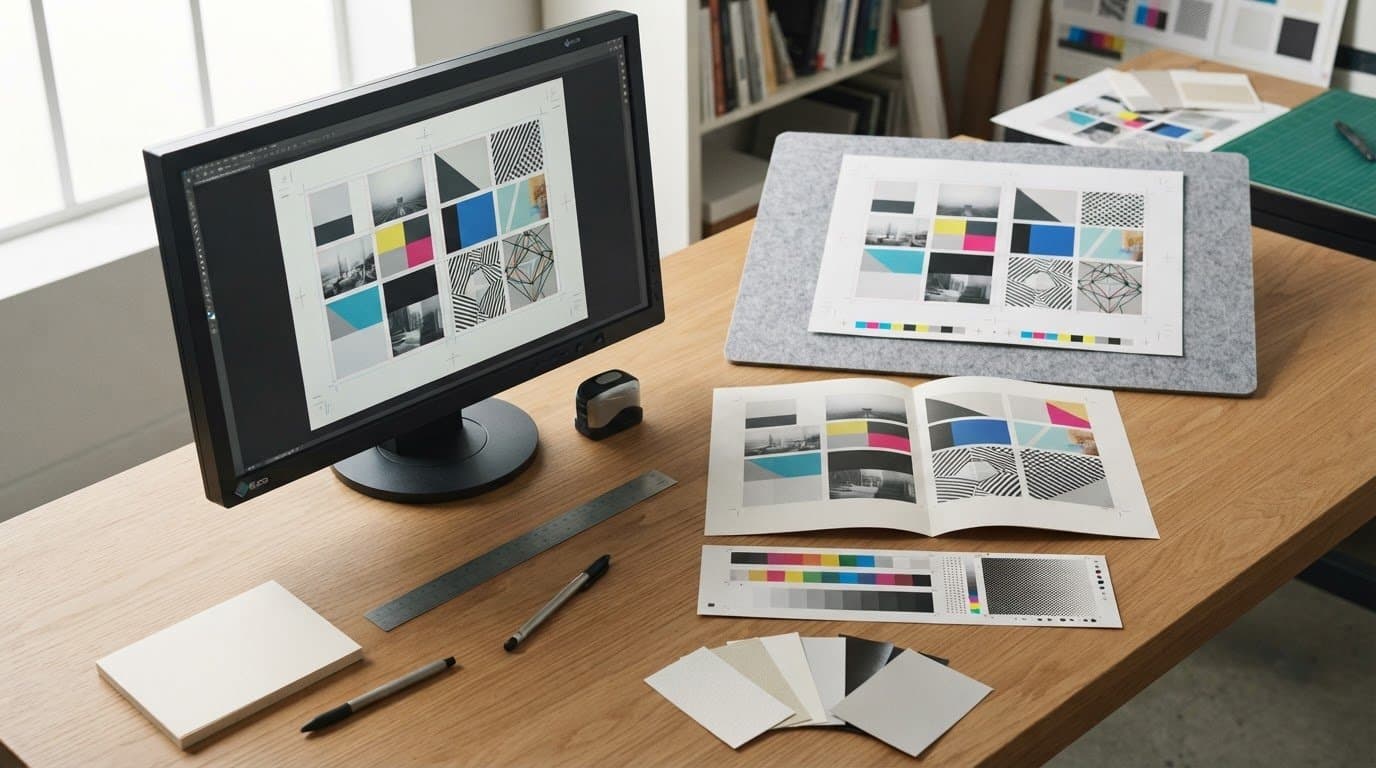
Precision is the hallmark of industrial manufacturing. Our proofing process moves from digital soft proofs to physical press match proofs, ensuring that the final output matches your vision exactly. In the bindery, we utilize a “signature” folding process. This involves printing large sheets that are folded into multi-page sections before being gathered and bound. This method ensures structural balance and prevents the page-misalignment common in amateur productions. Finally, we maintain climate-controlled storage for all inventory. This prevents paper warping caused by fluctuating humidity, ensuring your cookbook printing and binding project remains in pristine condition until the moment it reaches the customer’s door.
To ensure your high-volume project is handled with industrial precision, consult with our production experts today.
Partnering with Linemark for Professional Cookbook Manufacturing
Selecting a manufacturing partner is a decision that impacts your brand’s longevity as much as the content of the book itself. Linemark stands as a 30-year veteran in the high-capacity industrial production space. We don’t just print pages; we build enduring brand assets. Our 90,000-square-foot facility is specifically engineered to handle the complexities of high-volume cookbook printing and binding. From the initial press run to the final kitting of promotional materials, our infrastructure supports every stage of the lifecycle. We’ve moved beyond the role of a traditional vendor to become a strategic communications ally. This shift ensures we understand how your production schedule interacts with your marketing goals and national logistics requirements.
To support a successful market entry, you can leverage advanced direct mail strategies to reach targeted audiences of influencers and retail buyers. This integrated approach ensures your promotional efforts match the professional quality of the book itself. We provide a centralized destination for diverse needs, making the transition from manufacturing to marketing seamless and efficient.
Technology-Driven Precision
We use data-driven strategies to optimize every stage of the production cycle. By integrating design review, industrial production, and nationwide distribution under one roof, we eliminate the friction typical of fragmented supply chains. Our commitment to technological advancement ensures your project benefits from the latest innovations in binding durability and color accuracy. We maintain a proactive spirit. We’re always looking for the next technical refinement that provides our partners with a competitive edge. This precision extends to our inventory management systems, which allow you to scale production based on real-time demand rather than guesswork.
Your Strategic Communications Ally
We invite you to experience a manufacturing process that values the relationship as much as the transaction. Our team is ready to help you navigate the nuances of high-volume production with precision and speed.
Request a consultation for your high-volume cookbook project.
Scaling Your Culinary Brand with Industrial Precision
Mastering the technical landscape of high-volume production requires a strategic balance between aesthetic appeal and industrial-grade durability. You’ve learned that selecting the right cookbook printing and binding method is just the beginning of the journey. True success lies in the integration of specialized protective coatings, precision binding techniques, and a logistical framework that can handle the pressures of a national distribution network. Every choice you make, from paper weight to kitting strategy, reinforces the value of your brand in the hands of the end user.
With 30+ years of industrial printing expertise, we operate as more than a service provider; we are your strategic communications ally. Our 90, 000-square-foot high-tech facility is designed to manage complex, high-volume projects while maintaining the meticulous detail your brand demands. We handle everything from initial manufacturing to integrated kitting and nationwide distribution. This comprehensive approach ensures your publication arrives in pristine condition, no matter the scale of the launch.
Partner with Linemark for your high-volume cookbook production. We’re ready to help you navigate every technical nuance of your next successful release.
Frequently Asked Questions
What is the most durable binding for a cookbook that needs to lay flat?
Smyth-sewn case binding and Wire-O are the most durable options for professional lay-flat functionality. While Wire-O offers 360-degree rotation for cramped counters, Smyth sewing provides a premium hardcover experience that doesn’t crack under stress. Both methods ensure the book stays open during use, which is a critical metric for any successful cookbook printing and binding project.
Can I use a standard perfect binding for a cookbook with 300+ pages?
Standard perfect binding is generally unsuitable for a 300-page cookbook intended for frequent kitchen use. The rigid adhesive used in perfect binding often fails when a reader forces the thick spine to lay flat on a counter. For high-page-count projects, we recommend Smyth sewing or mechanical binding to maintain structural integrity and prevent the spine from snapping.
What paper weight is recommended to prevent ink show-through in cookbooks?
We recommend using 80lb or 100lb text weight paper to ensure total opacity for your publication. High-saturation food photography requires a heavier stock to prevent ink show-through on the reverse side of the page. This selection maintains the professional aesthetic of your brand and ensures that vibrant images don’t distract the reader from the recipes on the opposite side.
How do protective coatings like UV or Aqueous help with kitchen spills?
Protective coatings act as a microscopic shield against the environmental hazards of a working kitchen. These coatings seal the paper fibers, making the pages resistant to grease, steam, and liquid spills. This treatment allows the end user to wipe away accidental splashes without causing permanent staining or structural damage to the book’s interior pages.
Does Linemark handle the distribution and mailing of printed cookbooks?
Yes, we provide comprehensive kitting and fulfillment services for all our industrial printing projects. Our 90,000-square-foot facility is equipped to handle complex distribution requirements and nationwide mailing lists with precision. This integrated approach allows you to move seamlessly from production to delivery without managing multiple vendors or fragmented logistics chains.
What is the difference between digital and offset printing for large cookbook runs?
Digital printing is ideal for short runs and market testing, while offset printing is the industrial standard for high-volume production. Offset provides superior unit economics and exceptional color consistency across thousands of copies. It’s the preferred choice for large-scale cookbook printing and binding where precision and cost-efficiency are the primary drivers of the manufacturing strategy.
How should I prepare my design files for a cookbook with Wire-O binding?
You must account for the punch area by increasing the “gutter” margin in your design files. We recommend leaving at least 0.5 inches of safe space on the binding edge to ensure that no text or critical image elements are lost during the mechanical punching process. Providing print-ready PDFs with proper bleed and margins prevents production delays during the bindery phase.