

 05/29/2026
  Steve Bearden
A book that feels like a DIY project does more than just hurt your pride; it actively erodes your brand’s authority in a competitive market. You’ve likely spent months or years perfecting your manuscript, so the last thing you want is a finished product with weak binding or inconsistent color. It’s natural to feel anxious about shipping damage or the technical complexity of selecting the right paper weight. You deserve a tactilely superior result that stands up to the scrutiny of your peers and your audience.
This guide shows you how to move beyond basic production to achieve the goal of printing a book you can be proud of, one that feels substantial in the hand and reflects your professional excellence. We’ll explore the technical nuances of paper finishes, the reliability of modern binding, and how a streamlined fulfillment workflow ensures every copy reaches its destination in pristine condition. From managing high-volume consistency to leveraging advanced finishing techniques, you’ll discover the roadmap to transforming your document into a high-caliber physical asset that drives growth and establishes your legacy.
Key Takeaways
- Learn how technical specifications like GSM and opacity create a measurable sense of quality that builds immediate reader trust through tactile feedback.
- Master the nuances of material selection to ensure you are printing a book you can be proud of, matching paper textures to your brand’s unique authority.
- Identify the tell-tale signs of budget printing and learn why professional custom runs offer a superior ROI for high-stakes business projects.
- Navigate the production journey from pre-press file optimization to high-fidelity offset printing for consistent results across large-scale distributions.
- Explore how a strategic communications ally streamlines your workflow by integrating advanced binding, finishing, and kitting services into a unified process.
Defining Excellence: What Makes a Printed Book Truly Professional?
Excellence in print isn’t a happy accident. It’s the direct result of rigorous technical specifications and a commitment to industrial craftsmanship. When you aim for printing a book you can be proud of, you’re choosing to move beyond the limitations of a simple printed document and into the realm of a fully manufactured asset. A “good enough” approach is a liability to your corporate or personal brand. It signals a lack of attention to detail that readers will inevitably associate with your expertise. Professional manufacturing ensures your book stands as a testament to your authority rather than a distraction from it.
Reader trust is often won or lost in the first ten seconds. This “First 10 Seconds” rule is centered on tactile feedback. Before a single sentence is read, the brain processes the weight of the paper, the smoothness of the laminate, and the structural integrity of the volume. High-quality bookbinding techniques ensure that the book opens easily and stays intact over years of use. If the spine cracks or the pages feel flimsy, your message loses its weight. True pride comes from knowing that every physical attribute of the book reinforces the quality of the content inside.
To better understand the journey from manuscript to a finished physical product, watch this helpful video:
The Anatomy of a High-Caliber Book
A professional book requires structural precision. The spine must be perfectly square and consistent across every copy in a run. This uniformity is essential for retail environments and corporate displays where multiple copies sit side-by-side. Color fidelity is equally vital. Achieving “true” brand colors requires sophisticated calibration across large-scale production environments. We define tactile authority as the physical manifestation of brand values, where the weight and texture of the materials validate the expertise within the text. Without this structural and visual harmony, a book is just a stack of paper.
The Role of Technology in Quality Assurance
Modern production relies on a blend of advanced digital and offset presses to eliminate human error. These systems use data-driven monitoring to maintain consistency from the first copy to the ten-thousandth. High-volume capacity actually increases the attention to detail per unit because industrial-grade equipment is designed for repeatable precision. Strategic partnerships with printers who prioritize technological innovation allow authors to scale their vision without sacrificing the meticulous finish of a boutique project. This systemic reliability is what separates a professional manufacture from a standard print job.
Material Selections: Choosing Specs That Signal Authority
Your choice of materials serves as the physical handshake of your brand. It’s the first tangible interaction a reader has with your expertise. While many focus solely on the cover design, the true foundation of printing a book you can be proud of starts with the technical specifications of the internal pages and the structural integrity of the binding. Choosing the right specs signals that you value the reader’s experience as much as the content itself. Quality materials don’t just look better; they feel more authoritative.
Opacity and Grams per Square Meter (GSM) are the twin pillars of page quality. Low opacity leads to “show-through,” where text from the reverse side distracts the reader. This is a common pitfall in budget production that immediately undermines a professional image. Adhering to professional printing and production standards ensures that your stock choice matches the ink density required for your project. High-opacity paper provides a clean, white canvas that makes text pop and colors appear vibrant. This creates a rhythmic, effortless reading experience that keeps the focus on your message.
Binding That Lasts a Lifetime
Structural longevity is a non-negotiable for professional projects. When evaluating custom book printing options, you must decide between the classic prestige of case binding and the sleek efficiency of perfect binding. Case binding offers a hard-cover finish that commands respect on any shelf. For technical manuals or educational workbooks, the “lay-flat” factor is essential. It allows the reader to use the book hands-free without damaging the spine or losing their place. Adding foil stamping or debossing to the cover provides a level of tactile authority that standard ink cannot replicate. These details transform a simple volume into a keepsake.
Paper Weight and the Reader Experience
The difference between 80lb and 100lb text stock is immediately noticeable to the hand. A heavier 100lb stock provides a significant “heft” that increases the perceived value of the work. It also changes the science of ink absorption. Coated stocks hold ink on the surface for razor-sharp image clarity, while uncoated stocks offer a warm, organic feel that’s easy on the eyes for long-form reading. We recommend choosing materials that resist fingerprints and shelf wear to keep your brand looking pristine long after the first unboxing. It’s these small, technical decisions that separate a standard run from a premium product.
Specialty finishes provide the final layer of sophistication. Soft-touch lamination creates a velvet-like texture that’s difficult to put down. Matte finishes offer a modern, glare-free look, while spot UV can highlight specific design elements with a high-gloss contrast. These aren’t just aesthetic choices. They’re strategic tools used to guide the reader’s attention. Selecting the right combination is a critical step in printing a book you can be proud of. You might consider reviewing integrated production models to see how these finishes integrate into a full-scale, high-fidelity run.
The Hidden Cost of Print-on-Demand vs. Professional Custom Printing
While Print-on-Demand (POD) offers low entry barriers for new authors, it often creates a “pride gap” that serious professionals cannot ignore. Budget printing is easily identified by limited paper choices, generic trim sizes, and a lack of specialty finishes. If your goal is printing a book you can be proud of, relying on automated, one-size-fits-all systems is a significant risk. These platforms prioritize high-speed throughput over the nuanced craftsmanship required for high-caliber brand assets. The result is often a product that feels lightweight and looks indistinguishable from thousands of other DIY projects.
The unit cost of POD might seem attractive for initial tests, but the value diminishes rapidly as your project gains momentum. Professional custom runs allow for a lower per-unit investment while providing access to superior materials that POD machines simply cannot process. This shift from a transactional print job to a manufactured book is where your return on investment truly begins to materialize. Scalability isn’t just about quantity. It’s about maintaining a consistent level of excellence as your distribution expands. When your reputation is on the line, the “POD look”—characterized by streaky blacks and thin covers—is a cost you can’t afford.
Quality Control: Custom vs. Automated POD
Automated systems lack the discerning eye of a dedicated project manager. In a POD environment, book number one and book number five hundred may show visible variances in color density or binding tension because the machines are calibrated for speed rather than fidelity. Custom production environments allow you to request a physical press proof before the full run begins. This human-led quality assurance ensures that every copy meets your exact standards. It provides a level of security that algorithms cannot replicate, ensuring your vision is executed with industrial precision.
Strategic Inventory Management
Professional projects require a sophisticated logistics strategy to stay ahead of demand. Effective inventory management prevents the embarrassment of “out of stock” notifications during critical marketing pushes or keynote events. By balancing volume discounts with smart storage solutions, high-volume authors can maintain brand standards across every distribution channel. Utilizing on-demand portals allows you to trigger smaller runs as needed while ensuring that every book delivered is a product of professional precision. This centralized approach turns your book into a scalable asset rather than a logistical burden.
From Manuscript to Masterpiece: The Production Journey
File Preparation and Color Management
Technical errors at the start of the process lead to expensive disappointments at the end. The transition from RGB to CMYK is a critical hurdle. Screen colors often promise a vibrancy that standard ink cannot replicate without professional calibration. Beyond color, you must account for bleed, margins, and gutters. These settings are the mechanical blueprint for a perfect bind. Professional file checking acts as a vital safety net. It identifies potential issues before the plates are made, ensuring your outcome isn’t compromised by a simple formatting oversight.
Fulfillment: Delivering the Pride to the Reader
Logistics and distribution represent the final phase of the production cycle. True professional quality extends to how the book arrives in the reader’s hands. Utilizing direct mail strategies allows for targeted, efficient distribution that maintains brand integrity. Kitting and fulfillment services turn the unboxing into a strategic brand moment. By combining your book with other high-quality materials in a custom package, you elevate the perceived value before the first page is turned. Nationwide distribution models ensure your project reaches its destination with zero damage during transit. This logistical excellence is the final proof of a well-executed project. If you’re ready to start your journey, you can connect with our production specialists today to discuss your custom requirements.
Scaling Your Vision: Why Strategic Partnership Matters
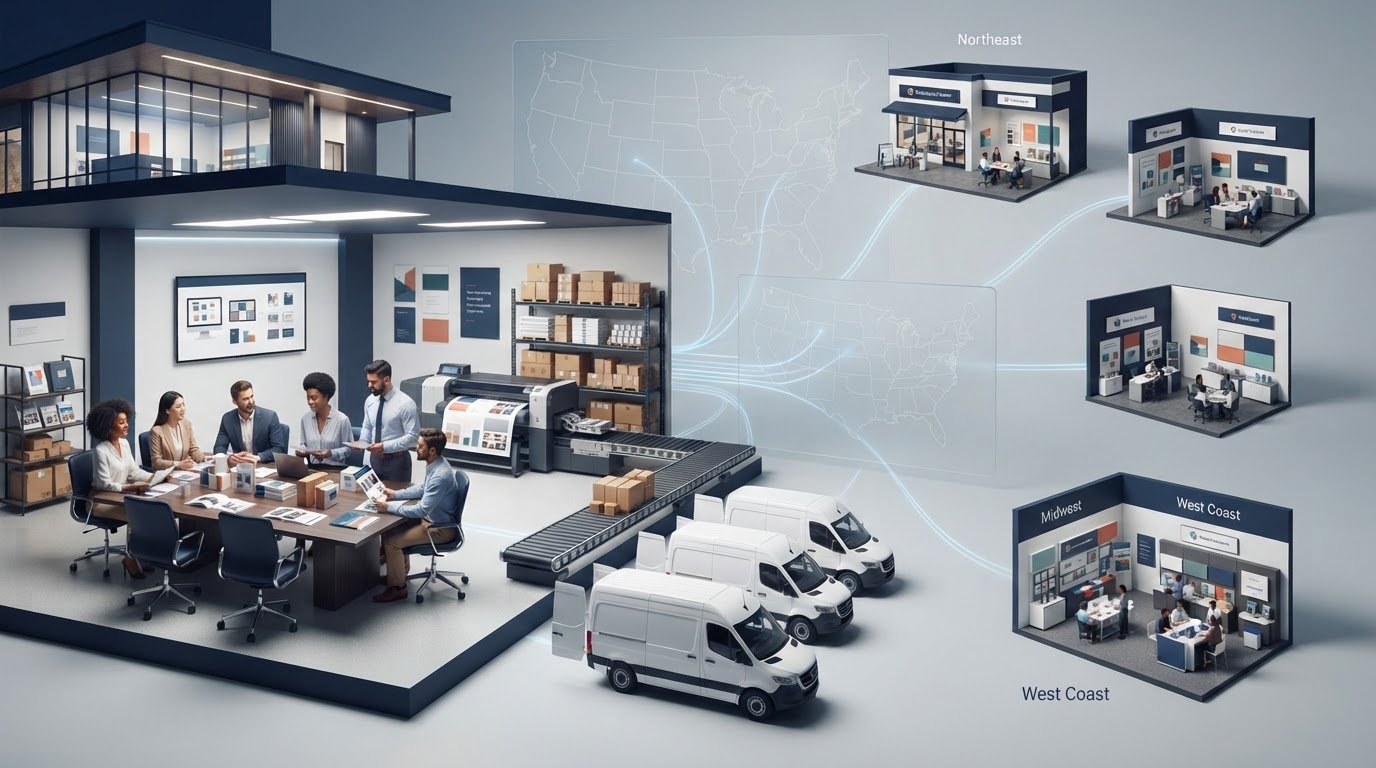
A professional book is rarely a standalone project; for corporations and associations, it’s a strategic cornerstone of brand equity. Achieving the goal of printing a book you can be proud of requires an ally that understands the intersection of modern marketing and industrial production. A transactional printer simply moves ink to paper. A strategic partner integrates your project into a broader communications ecosystem. Our 90,000-square-foot facility provides the capacity and technology to handle these complex, multi-faceted requirements with surgical precision. This scale allows for a seamless transition from small-batch testing to massive, nationwide distributions without a drop in fidelity.
Infrastructure is the silent engine of your brand’s growth. Large-scale production environments are designed to manage the nuances of high-volume runs while maintaining the meticulous attention to detail usually reserved for boutique shops. This capability ensures that your book remains consistent across every channel, whether it’s being handed out at a keynote or shipped to a remote stakeholder. By centralizing your production with a comprehensive service provider, you eliminate the fragmentation that often plagues large-scale communication efforts. You gain a unified workflow that prioritizes your end goals over simple output.
The MarCom On-Demand Advantage
Modern associations require agility to stay relevant. MarCom On-Demand portals allow you to centralize your digital assets, ensuring that every printed book remains strictly on-brand. These systems empower distributed teams to order professional books locally while maintaining centralized control over quality and specifications. This approach significantly reduces waste and prevents the embarrassment of distributing obsolete materials. Smart production workflows allow you to print exactly what you need, exactly when you need it. This efficiency turns your inventory into a liquid asset rather than a warehouse liability.
The Future of Custom Book Manufacturing
The impact of your book should extend far beyond its pages. Integrating large format graphics into your book launch events creates a cohesive, high-impact environment that reinforces your authority. Data-driven strategies are changing how books are marketed and sold, allowing for personalized outreach that speaks directly to your audience’s needs. A book you are proud of is ultimately one that achieves its business goals. By aligning with a partner that values innovation and technological pride, you ensure your manuscript becomes a catalyst for growth. Your vision deserves a production partner that can match its scale and ambition.
Transform Your Manuscript Into a Strategic Brand Asset
Moving from a digital draft to a finished physical product requires more than just a service provider. It demands a strategic ally that understands the technical nuances of paper weight, binding integrity, and color fidelity. By prioritizing professional custom runs over generic automated systems, you ensure your work carries the tactile authority necessary to build lasting trust with your audience. This commitment to industrial quality is the only reliable path to printing a book you can be proud of in a competitive landscape.
Your vision deserves a production environment that matches its ambition. With over 30 years of industrial printing expertise and a 90,000-square-foot state-of-the-art facility, we provide the precision and scale your project requires. Our comprehensive in-house kitting and nationwide fulfillment services ensure that every volume arrives in pristine condition, ready to represent your brand’s excellence. Start your journey toward a professional book with a Linemark quote today. We’re ready to help you manufacture a masterpiece that stands the test of time.
Frequently Asked Questions
What is the difference between offset and digital book printing for quality?
Offset printing utilizes aluminum plates to transfer ink, providing superior color depth and consistency for high-volume runs. Digital printing is more efficient for short-run projects that require a faster turnaround. While digital quality has improved significantly, offset remains the preferred choice for authors who require precise brand color matching and the lowest per-unit cost on large distributions.
How do I choose the right paper weight (GSM) for my book pages?
Choose your GSM based on the book’s purpose and page count. A 100 to 120 GSM stock is ideal for professional text-heavy books as it provides high opacity and prevents text from showing through the page. For catalogs or art-heavy books, a heavier 148 GSM coated stock is better. This ensures vibrant color reproduction and a substantial, authoritative feel for the reader.
Can I print a single copy of my book that looks professional?
High-end digital presses can produce a single copy with impressive clarity, but true industrial quality is optimized for scale. Professionals often use single-copy digital runs for executive proofs or limited presentations. However, printing a book you can be proud of usually involves a custom run where the binding and finishing are calibrated for long-term durability and consistent brand representation across hundreds of copies.
Why is custom book printing better than Print-on-Demand (POD)?
Custom printing allows for specialized material selections and human-led quality control that standard Print-on-Demand (POD) platforms lack. POD systems rely on automated, one-size-fits-all templates that limit your choice of paper weight and cover finishes. Custom runs offer the ability to use unique textures, foil stamping, and specific trim sizes that differentiate your book from mass-produced, budget-friendly alternatives.
What binding type is best for a book I want to be proud of?
Case binding is the gold standard for prestige and durability. It gives your book a hardback finish that signals high value and authority. For professional softcover projects, perfect binding provides a sleek, square spine that is both cost-effective and visually appealing. The best choice depends on your distribution goals and how you want the book to feel in the reader’s hands.
How long does a professional custom book printing run take in 2026?
A professional custom run typically takes between two and four weeks to complete. This timeline allows for meticulous pre-press file checking, material sourcing, and post-press finishing like lamination or debossing. While automated systems might be faster, this industrial pace ensures that every copy meets rigorous quality standards. It provides the security of knowing your project is being handled with precision rather than speed.
What file format is best for professional book printing?
A high-resolution PDF/X-4 is the most reliable file format for professional production. This format embeds all necessary fonts and preserves color data, ensuring that the final print matches your original design. You should also ensure your files include a 0.125-inch bleed and use high-resolution images at 300 DPI. This technical preparation is the first step in avoiding production errors and costly delays.
How can I ensure my book colors look exactly like they do on my screen?
You can ensure color accuracy by designing in the CMYK color space rather than RGB. Since screens use light and presses use ink, colors can shift during the transition. Requesting a physical press proof is a critical step in printing a book you can be proud of. It allows you to see exactly how the ink interacts with your chosen paper before the full run begins.