

 06/19/2026
  Steve Bearden
Did you know that 76% of all purchases are still expected to happen in physical stores in 2026? Despite the growth of digital channels, your storefront remains the most critical touchpoint for capturing immediate interest. However, if your current displays are peeling or failing to stop pedestrians, you’re losing more than just aesthetic value; you’re losing revenue. It’s a common challenge for marketing executives who need to balance high-impact visuals with the logistical complexity of national brand consistency.
We understand that a storefront should be a high-conversion marketing asset, not a maintenance headache. This guide explores how to implement retail window graphics that drive sales by merging industrial-grade durability with sophisticated design strategy. You’ll learn how to transform your glass into a powerful communication tool through advanced material selection and streamlined rollout processes. We will cover everything from the latest sustainability standards to the technical precision required for large-scale, high-volume installations that stay vibrant through every season.
Key Takeaways
- Learn how to leverage your storefront’s existing real estate to create a high-impact “stop and stare” effect that captures pedestrian attention in seconds.
- Discover the technical criteria for selecting substrates and high-resolution printing standards that ensure visual clarity for close-up retail viewing.
- Master the strategic design principles of visual hierarchy to direct a customer’s eye toward your primary offer or product feature.
- Simplify the complexity of national rollouts by using a unified logistics model for retail window graphics that drive sales across every location.
- Explore how integrating industrial-scale production with precision finishing protects your brand consistency during rapid campaign rotations.
The ROI of the Storefront: Why Window Graphics Drive Sales
Retail window graphics are high-impact large-format advertisements that leverage your existing real estate to capture immediate attention. They aren’t merely decorative elements meant to fill glass space. Instead, they function as a strategic extension of your marketing department. Implementing retail window graphics that drive sales involves transitioning from passive decoration to active, conversion-focused visual merchandising. By treating your storefront as a high-value canvas, you create a dedicated channel for brand storytelling and product promotion without the recurring costs of traditional media buys.
The effectiveness of these displays is rooted in clear data. According to VMSD Magazine (February 2026), 92% of shoppers report making impulse purchases in-store, and nearly 75% of purchase decisions aren’t finalized until a customer enters a retail location. These statistics highlight why the “Stop and Stare” effect is vital in high-traffic environments. By utilizing established visual merchandising principles, you can halt foot traffic and disrupt the routine of a busy pedestrian. This psychological intervention is the first step in converting a passerby into a high-intent lead.
To better understand how these visuals transform a physical space, watch this helpful video:
The modern retail environment is saturated with digital noise, making the physical storefront a rare opportunity for tactile, high-resolution engagement. When you deploy retail window graphics that drive sales, you’re essentially installing a 24/7 brand ambassador. This approach moves beyond simple signage and into the category of strategic communications, where every square inch of glass is optimized for maximum return on investment.
The Silent Salesperson: Converting Pedestrians to Customers
Maximizing Existing Retail Real Estate
Window graphics offer a substantially lower cost-per-impression compared to digital billboards or social media advertising. Your storefront is an asset you already pay for; utilizing the glass turns it into a 24/7 marketing engine. Even after business hours, your message remains visible to the local community, building brand recall and setting the stage for future visits. Strategic placement ensures these assets perform at their peak:
- Eye-Level Graphics: These are designed for direct engagement with pedestrians, often featuring detailed product information or QR codes for digital integration.
- High-Impact Oversized Graphics: These are engineered to capture attention from a distance, making them ideal for stores located near busy intersections or large parking lots.
- Integrated Messaging: Combining both scales allows you to speak to different audience segments simultaneously, ensuring your brand is seen from the sidewalk and the street.
Technical Material Selection for Maximum Visual Impact
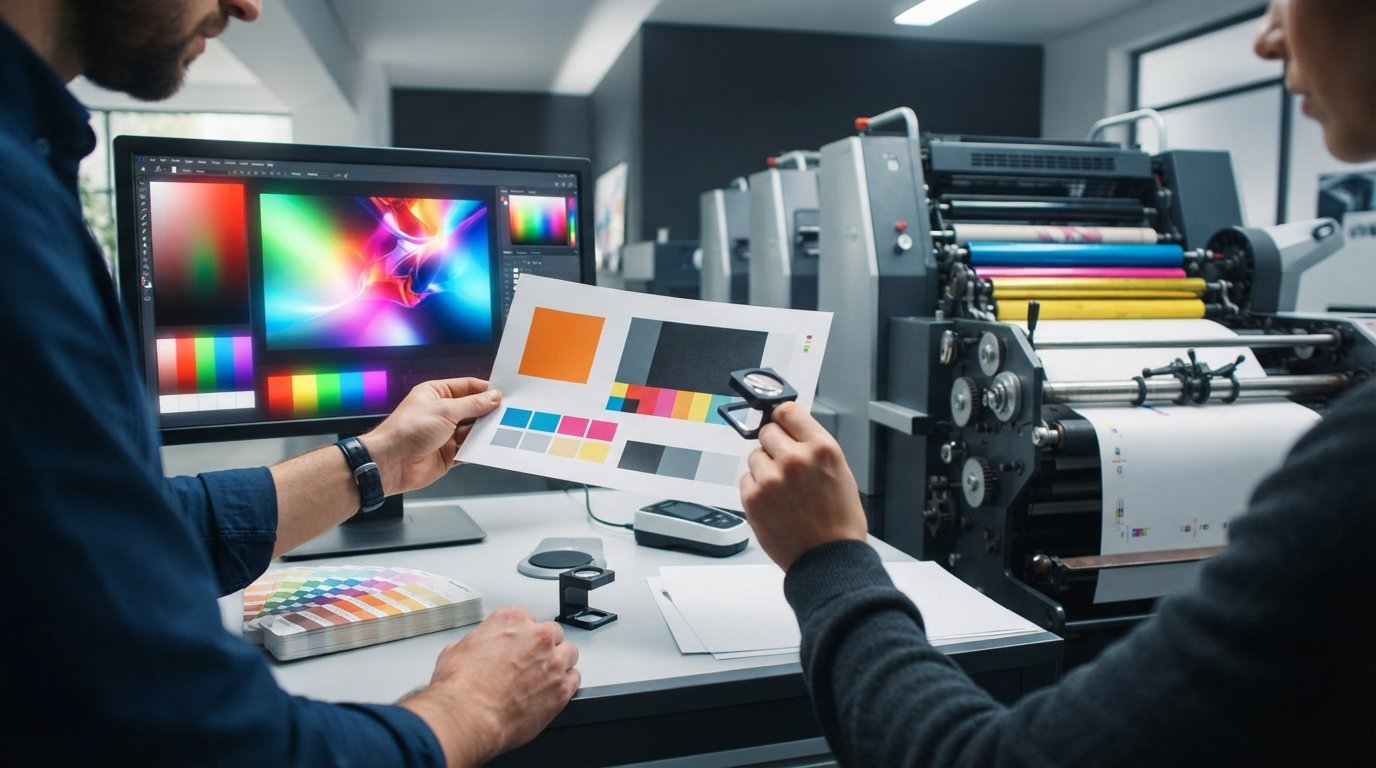
Substrate selection is an engineering decision as much as a creative one. While a simple vinyl sticker might suffice for a temporary discount alert, professional-grade retail window graphics that drive sales require a deeper understanding of light transmission and environmental exposure. The choice of material dictates how your brand is perceived under harsh midday sun versus the soft glow of evening streetlights. High-resolution printing standards are equally vital. Because pedestrians often stand mere inches from your glass, we utilize high DPI (dots per inch) settings to ensure that imagery remains crisp and professional rather than pixelated or blurred.
Durability is a non-negotiable requirement for national rollouts. We utilize UV-resistant inks and specialized lamination to prevent the fading and peeling that often plague lower-quality installations. These protective layers ensure your colors stay vibrant for the entire duration of a seasonal campaign. Additionally, we prioritize ease of removal. In the fast-paced retail environment of 2026, you need to rotate campaigns frequently without worrying about adhesive residue or glass damage. Working with a partner that specializes in large format graphics ensures that your technical specs are met with precision, allowing for a seamless transition between marketing cycles.
Perforated Vinyl vs. Solid Blockout Graphics
Perforated vinyl, often referred to as “one-way vision” film, is a sophisticated solution for retailers who want full-scale advertising without sacrificing natural light. We often recommend a 6mil vinyl with a 70/30 perforation pattern, which provides enough surface area for vibrant color while remaining transparent from the inside. This allows your staff to see out while customers see a high-impact advertisement. In contrast, solid blockout graphics are ideal for creating total privacy or bold, high-contrast seasonal statements. Understanding visual merchandising’s role in enhancing sales helps you decide if you need the airy feel of perforated film or the dramatic punch of a solid wrap.
Specialty Finishes: Frosted, Etched, and Metallic
Specialty finishes allow you to reflect a premium brand identity through texture and light manipulation. Frosted and etched vinyls provide a high-end, sophisticated look that mimics expensive glasswork at a fraction of the cost. These are particularly effective for partial privacy in service-based retail or for subtle, elegant branding. For 2026, we are also seeing a significant shift toward sustainable materials, including recycled acrylics and eco-friendly films, as consumers now view sustainability as a baseline expectation. Whether you choose die-cut lettering for a minimalist look or a metallic finish for a futuristic feel, these textures add a layer of sensory engagement that standard prints cannot match.

Strategic Design Principles for High-Conversion Graphics
Effective design in a retail environment is an exercise in conversion engineering rather than simple decoration. To implement retail window graphics that drive sales, you must first master the “3-Second Rule.” In high-traffic urban environments, you have approximately three seconds to capture a pedestrian’s attention and communicate a core value proposition. If your message is too complex or cluttered, the viewer will move on without processing the brand. This requires a disciplined approach to visual hierarchy. Visual hierarchy is the strategic arrangement of elements to influence the viewer’s path of focus. By using size, weight, and placement, you can dictate exactly what a customer sees first, ensuring the most persuasive information is impossible to ignore.
Color theory plays a decisive role in cutting through the visual noise of 2026 cityscapes. High-contrast palettes are essential for legibility from a distance and under varying light conditions. While “Quiet Retail” and neuro-aesthetics are emerging trends that favor calming, organic shapes to reduce shopper anxiety, your primary promotional windows still require enough contrast to stand out against reflections and surrounding architecture. Every design must also culminate in a clear Call to Action (CTA). Whether it’s an invitation to “Step Inside” or a prompt to “Shop the Collection,” a window without a clear next step is a missed marketing opportunity.
Bridging the Physical-Digital Divide
Messaging for Different Funnel Stages
Your storefront should address customers at various stages of the buying journey. Top-of-funnel (TOFU) messaging focuses on brand awareness, utilizing large, emotive lifestyle imagery that establishes a mood or identity. These visuals are designed to build an emotional connection rather than push a specific product. In contrast, middle and bottom-of-funnel (MOFU/BOFU) messaging utilizes direct sales offers, seasonal discounts, or “New Arrival” announcements to trigger an immediate entry. By balancing these two approaches across your retail real estate, you can nurture long-term brand loyalty while simultaneously driving the impulse purchases that account for a significant portion of daily revenue.
Campaign Execution and National Brand Consistency
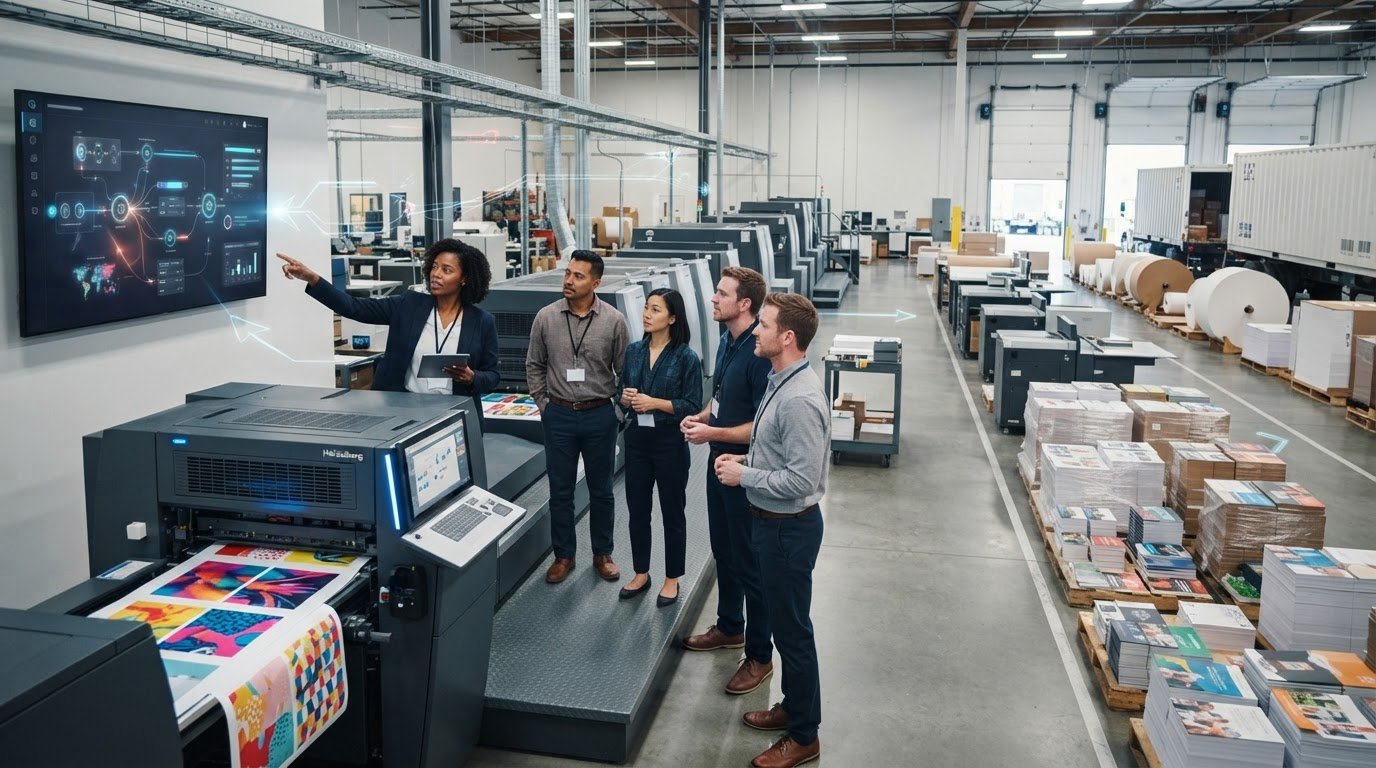
Scaling a visual identity across a national footprint requires more than just a good design. It requires a robust logistical framework. To maintain retail window graphics that drive sales at scale, brands must move away from fragmented local sourcing. Managing 100 or more locations introduces significant risks regarding color accuracy and material quality. A slight color shift in a logo across fifty locations erodes brand trust. Centralized production ensures that every graphic, regardless of its final destination, meets the exact same technical specifications. This precision is what separates a professional rollout from a disorganized effort.
Strategic campaign rotation is equally critical. Most high-performing retailers update their windows every six to eight weeks to prevent visual fatigue among local commuters. This frequency demands a well-oiled machine for kit-packing and distribution. Each location may have unique window dimensions, requiring precise versioning within a single campaign. We handle this complexity by creating customized kits that include site-specific instructions and all necessary hardware. This ensures a uniform appearance from coast to coast, regardless of who is handling the physical setup. While “easy-apply” materials are popular for staff-led installations, we recommend professional crews for large-scale wraps to guarantee a bubble-free, industrial-quality finish.
Centralized Production for Decentralized Marketing
A single production partner acts as a guardian for your brand integrity. By utilizing on-demand portals, regional managers can order site-specific graphics that have already been vetted for brand compliance. This model allows for decentralized execution while maintaining centralized control over the visual assets. It solves the problem of versioning by housing a library of storefront dimensions. A “New Arrival” banner for a Chicago flagship fits as perfectly as the version for a boutique in Miami. For organizations looking to streamline this process, our kitting and fulfillment expertise ensures that every location receives exactly what they need, exactly when they need it.
Durability and Environmental Considerations
Execution also depends on environmental reality. External-mount graphics offer the highest impact because they eliminate glass glare, but they require heavy-duty weatherproofing to survive diverse climates. In contrast, internal-mount graphics are protected from the elements and high-traffic city street wear, though they must compete with window reflections. We also help brands navigate the shift toward sustainability. In 2026, many organizations are opting for eco-friendly substrates and PVC-free films that offer high performance without the environmental toll. Choosing the right mounting method and material ensures your campaign remains pristine until the next rotation.
The Linemark Advantage: Precision Large Format Graphics
Linemark positions itself as a strategic communications ally rather than a mere vendor. We understand that the execution of retail window graphics that drive sales is a high-stakes operation involving significant capital and brand reputation. It’s about more than aesthetic appeal; it’s about reliability at scale. Our approach combines high-capacity industrial production with the meticulous attention to detail usually reserved for boutique shops. This unique duality allows us to handle complex, high-volume projects with the precision your brand requires to stand out in a crowded market.
Your marketing strategy shouldn’t exist in a vacuum. We specialize in linking your storefront visuals with other touchpoints like direct mail and digital assets to create a unified, high-conversion customer journey. By synchronizing your window campaigns with broader marketing efforts, you amplify your message and significantly increase brand recall. Whether you’re scaling a vision from a single flagship store or managing a national retail presence across hundreds of locations, we provide the industrial infrastructure and logistics expertise to make it happen. We act as a catalyst for your growth, ensuring your vision is executed flawlessly across every channel.
Advanced Technology and Data-Driven Results
With over 30 years of experience in complex, high-volume commercial printing, we’ve refined our processes to meet the demands of modern logistics. Our 90,000-square-foot facility serves as a centralized hub for rapid, nationwide fulfillment, ensuring that your assets are produced and shipped with maximum efficiency. Linemark’s large-format production utilizes advanced color-management protocols to ensure perfect chromatic matching across window graphics, direct mail, and all other physical marketing channels. This technical rigor ensures that your brand identity remains unshakable, regardless of the medium or location.
Seamless Fulfillment and Installation
We provide a holistic journey from the initial design file review to professional on-site installation services. You don’t have to worry about the technical hurdles of file preparation or the logistical stress of coordinating installers across different time zones. To streamline your workflow, we offer our MarCom On-Demand ordering platforms. These portals allow your team to manage inventory and order site-specific graphics with a few clicks, maintaining total control over your decentralized marketing efforts. Our goal is to simplify the process of deploying retail window graphics that drive sales, allowing you to focus on your core business objectives.
Elevate your retail impact with Linemark’s large format graphics
Transforming Your Storefront Into a Strategic Growth Engine
The transition from a passive storefront to an active marketing channel requires a deliberate blend of material science and psychological design. The most effective retail window graphics that drive sales rely on technical precision. You need high DPI resolution for close-up engagement and industrial-grade UV protection to maintain brand integrity through the seasons. By mastering the 3-second rule and implementing a centralized logistics model, you ensure that your message remains consistent across every national location.
Executing a high-volume rollout doesn’t have to be a source of operational friction. With our 90,000-square-foot high-tech production facility and over 30 years of industrial printing expertise, we provide the infrastructure needed for seamless national distribution and fulfillment. We act as your strategic communications ally, handling the complexity of versioning and installation so you can focus on your broader business goals. It’s time to stop treating your windows as glass and start treating them as your most valuable real estate. Partner with Linemark for high-impact retail graphics and watch your storefront become a catalyst for measurable growth. Your brand deserves a partner that values precision as much as you do.
Frequently Asked Questions
Do retail window graphics block the view from inside the store?
Perforated vinyl, commonly known as one-way vision film, allows you to maintain visibility from the interior while displaying full-color ads to pedestrians. This material features thousands of tiny perforations that let natural light enter and allow staff to monitor the sidewalk. If your goal is to implement retail window graphics that drive sales without creating a claustrophobic environment, perforated film is the most effective technical choice.
How long do professional window decals typically last?
The lifespan of a window graphic depends on its intended duration and environmental exposure. Permanent installations using high-performance vinyl and UV-protective lamination typically last between three and five years before showing signs of wear. In contrast, promotional graphics for seasonal campaigns are engineered for shorter cycles, usually six to eight weeks, ensuring they remain easy to remove when the next rotation begins.
Can window graphics help with store temperature and energy costs?
High-quality window films contribute to climate control by reflecting solar heat and blocking a significant portion of UV rays. This thermal barrier helps maintain a consistent internal temperature, which can lower energy consumption for air conditioning during peak summer months. These functional benefits make graphics a dual-purpose investment that supports both your marketing strategy and your operational efficiency goals.
What is the best material for temporary seasonal retail promotions?
Low-tack removable vinyl is the preferred material for temporary promotions because it balances durability with ease of handling. This substrate allows store staff to manage rapid campaign updates without professional assistance, which is essential for high-frequency retail cycles. It adheres securely to the glass but leaves no sticky residue behind, making it ideal for short-term sales or “New Arrival” announcements.
How do I ensure brand colors match across different retail locations?
Achieving color consistency across a national footprint requires a centralized production model. By using a single strategic partner, you eliminate the variations that occur when using different local vendors with disparate printing equipment. Professional large-format printers utilize sophisticated color-management technology to ensure your brand’s specific palette remains identical from one flagship store to every other location in your network.
Are window graphics easy to remove without damaging the glass?
Professional-grade retail window graphics that drive sales are engineered for clean removal. When high-quality adhesives are paired with the correct removal techniques, such as applying gentle heat, the graphics peel away without leaving residue or causing glass damage. This is a critical feature for national brands that need to update their messaging frequently without incurring unnecessary maintenance or repair costs.
What is the difference between first-surface and second-surface application?
First-surface application refers to graphics applied to the exterior side of the glass, offering maximum visibility by eliminating window glare. Second-surface application involves mounting the graphic on the interior side, which protects the material from weather and vandalism but can be obscured by reflections. The choice depends on your local climate, foot traffic density, and the specific visibility goals of your campaign.
How much do retail window graphics cost to produce and install?
The total investment for production and installation is determined by several variables, including total square footage, material complexity, and the logistical requirements of the site. Because every storefront has unique architectural challenges and surface requirements, we recommend a collaborative consultation to determine the most cost-effective solution for your specific rollout. Tailored service models ensure you receive the best return on your marketing budget.