

 06/20/2026
  Steve Bearden
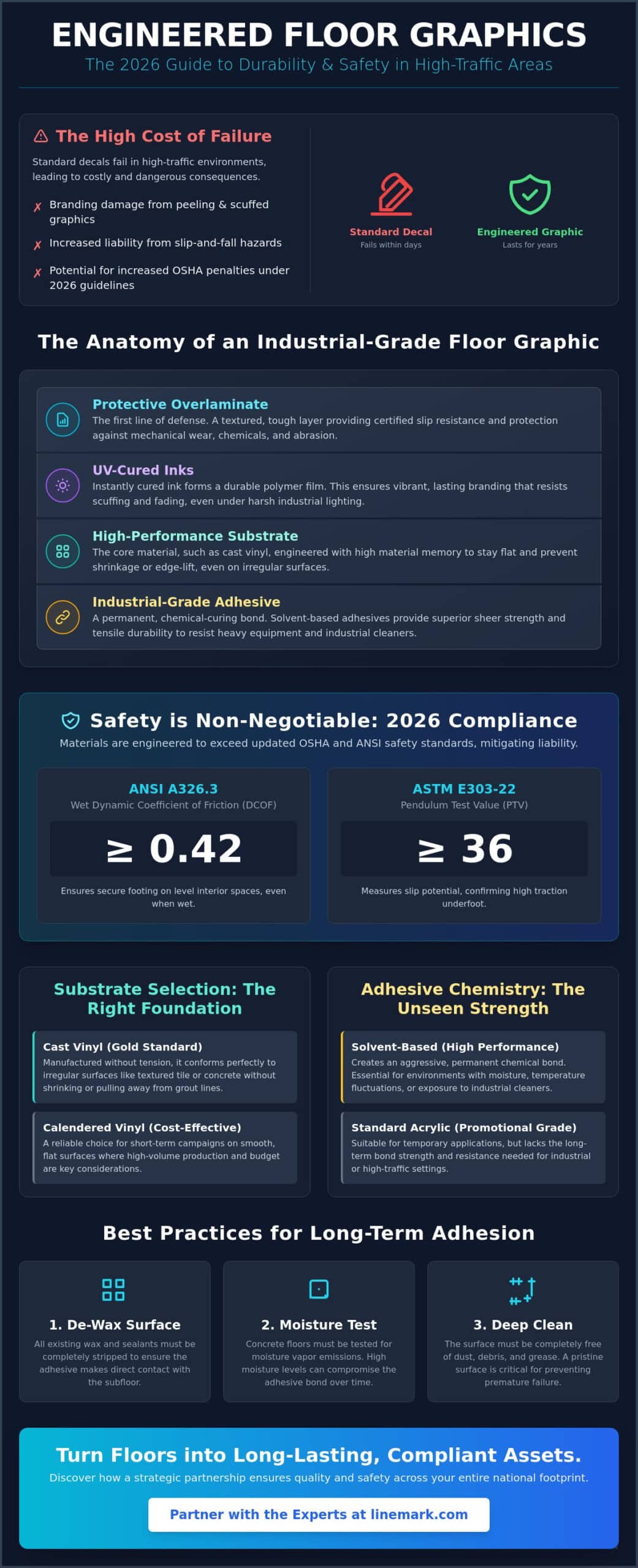
In 2026, a floor graphic isn’t just a marketing tool. It’s a high-stakes piece of industrial infrastructure. Selecting durable floor graphics for high traffic areas requires more than just picking a thick vinyl; it demands an understanding of material synergy and rigorous safety standards. You’re likely tired of seeing graphics peel at the edges or scuff under heavy foot traffic just days after a costly installation. These failures don’t just hurt your branding. They create genuine slip-and-fall liability concerns that can lead to increased OSHA penalties under the updated 2026 enforcement guidelines.
We believe in a unified partnership that prioritizes your long-term growth. This guide explores the technical engineering and strategic selection process behind graphics that endure extreme wear and tear. You’ll discover how to achieve certified slip resistance, adhering to the ANSI A326.3 minimum wet DCOF of 0.42 and the ASTM E303-22 Pendulum Test Value of 36. We’ll preview the high-performance materials and precision installation techniques that allow for a seamless, scalable rollout across your entire national footprint. This professional guide provides the roadmap to turn high-traffic floors into long-lasting, compliant assets through a holistic production journey.
Key Takeaways
- Understand the engineering behind multi-layered adhesive systems that distinguish industrial-grade graphics from temporary promotional decals.
- Discover how the synergy between substrate selection and adhesive chemistry creates durable floor graphics for high traffic areas that resist mechanical wear.
- Identify critical surface preparation techniques, including de-waxing and moisture testing, to prevent premature failure and edge peeling.
- Explore how a strategic communications partnership streamlines national rollouts while maintaining rigorous quality control and safety compliance across every location.
Defining Durability: What Makes a Floor Graphic High-Traffic Ready?
High-traffic floor graphics aren’t mere decals. They are multi-layered adhesive systems engineered to withstand constant friction and downward pressure. In industrial or high-volume retail settings, a standard sticker will fail within hours. True durability comes from the technical synergy of the base material, the adhesive chemistry, and the protective laminate. As we move into 2026, the industry is shifting toward resilient, sustainable substrates that don’t sacrifice performance for eco-friendliness, aligning with a broader market move toward recycled-content materials.
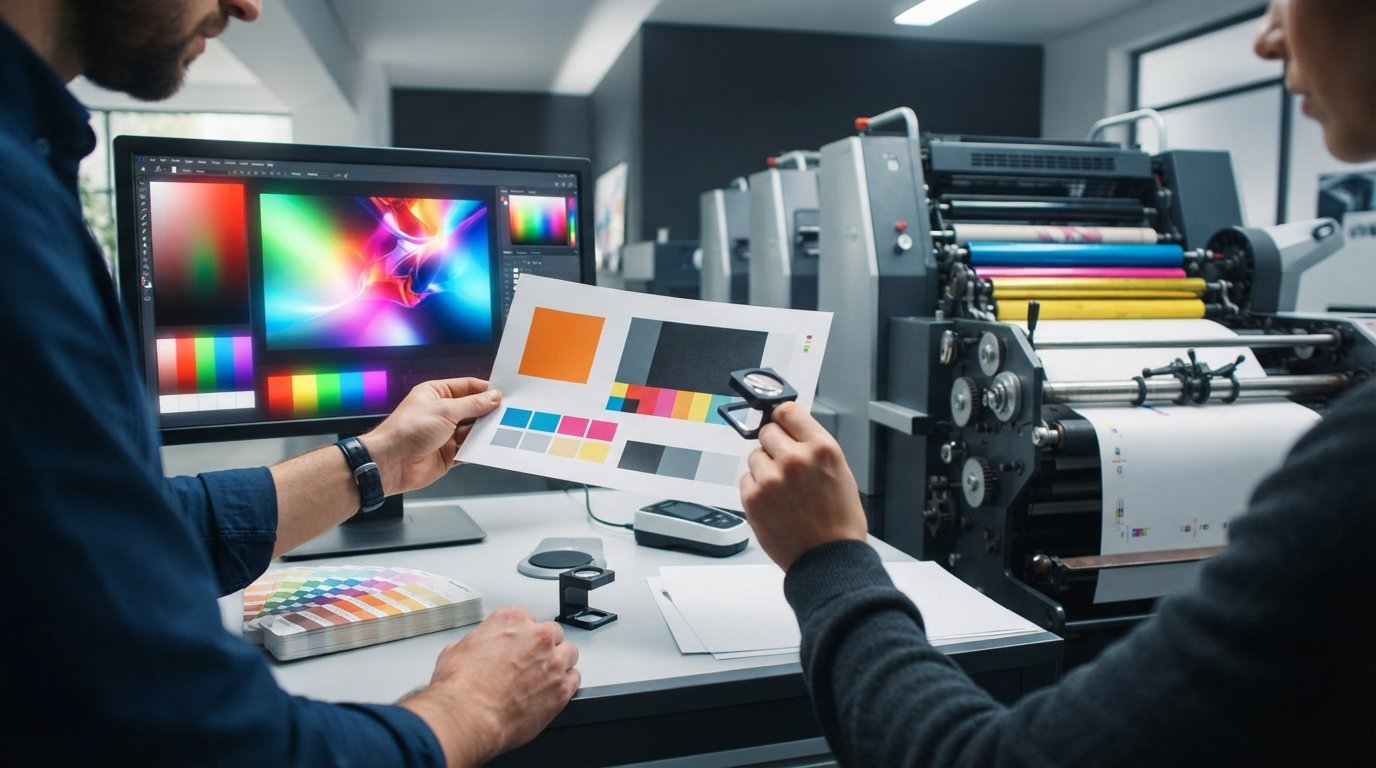
Performance in these environments is measured through specific key indicators like sheer strength and tensile durability. These metrics ensure the graphic stays put when a forklift brakes or a thousand shoppers pivot on their heels. We also prioritize UV ink stability to prevent branding from fading under harsh warehouse lighting. By utilizing modern wide-format printing technologies, we produce durable floor graphics for high traffic areas that maintain visual clarity and structural integrity over long-term cycles.
To better understand how these engineered systems are applied in a real-world setting, watch this helpful video:
The Three Pillars of Floor Graphic Longevity
Longevity rests on three technical foundations. First is adhesive bond strength. While high initial tack is helpful for placement, a permanent bond requires a specific chemical cure to resist industrial cleaners. Second is material memory. Industrial-grade vinyls are engineered to stay flat, preventing edge-lift in high-heat or high-moisture environments. Finally, impact resistance is non-negotiable. Graphics must withstand the weight of pallet jacks and heavy equipment without tearing or delaminating from the subfloor.
Safety Standards and Slip Resistance
Safety is the silent partner of durability. In 2026, compliance with updated OSHA and ANSI standards isn’t optional. We select materials that meet the ANSI A326.3 standard, which requires a minimum wet dynamic coefficient of friction (DCOF) of 0.42 for level interior spaces. Additionally, we look for a Pendulum Test Value (PTV) of 36 under the ASTM E303-22 standard. Using textured surfaces ensures traction remains high even when floors are wet, effectively mitigating liability through professional-grade material selection.
The Technical Anatomy: Substrates, Adhesives, and Overlaminates
Engineering a graphic that survives thousands of heavy boots requires a layered, technical approach. It begins with the base substrate. Cast vinyl is the gold standard for irregular surfaces like concrete or textured tile. Because it’s manufactured without tension, it won’t shrink or pull away from grout lines over time. Calendered vinyl remains a reliable, cost-effective choice for shorter-term campaigns on flat, smooth surfaces where high-volume production is necessary.
The chemical bond is equally vital to the system’s success. Solvent-based adhesives provide a more aggressive, permanent bond compared to standard acrylic options. This is essential when applying durable floor graphics for high traffic areas in environments where moisture or temperature fluctuations are common. To ensure your project meets the highest benchmarks for safety and longevity, we follow industry standards for floor graphics regarding material compatibility and slip resistance.
Ink technology has evolved significantly by 2026. UV-cured inks are now the industry benchmark for high-performance graphics. Unlike traditional aqueous inks, UV inks are cured instantly by high-intensity light. This process creates a cross-linked polymer film that’s inherently resistant to scuffing and fading. This technology ensures that even under the harsh glare of industrial LED lighting, your branding remains vibrant and legible for the duration of its lifespan.
Protective Overlaminates: The First Line of Defense
The overlaminate is the sacrificial layer that takes the brunt of the abuse. Polycarbonate overlaminates are superior to standard liquid coatings because they offer significantly higher impact and scratch resistance. We typically recommend a thickness between 5 and 10 mil. This provides the necessary “sweet spot” of protection without creating a trip hazard. Pebbled textures are often preferred in high-visibility areas because they mask scratches and handle winter salt or tracked-in dirt more effectively than smooth finishes. To prevent chemical ingress from industrial floor scrubbers, we often apply edge sealer technology, a professional-grade safeguard that blocks liquids from compromising the adhesive bond at the perimeter.
Adhesive Systems for Every Surface
Different floors demand tailored chemistries. For porous surfaces like outdoor concrete or asphalt, we utilize foil-based or ultra-high-tack conformable vinyl that molds into the texture of the ground. Conversely, polished stone and high-end tile require a balanced adhesive that provides a secure, permanent hold but allows for damage-free removal when the campaign ends. In sensitive environments like healthcare facilities, we prioritize low-VOC adhesives to maintain air quality while ensuring maximum adhesion. Managing these technical specifications is part of our commitment to a premium, holistic journey for our clients. If you’re planning a complex rollout, our team can help you select the precise floor graphics configuration that matches your specific facility requirements.
High-Impact Scenarios: Where Performance Meets Purpose
Success in high-volume environments depends on matching the material to the specific mechanical stress of the space. Durable floor graphics for high traffic areas aren’t a generic product; they’re a tailored solution. A retail store’s primary challenge is the constant friction of thousands of daily steps. In contrast, an industrial warehouse must withstand the extreme shearing forces of heavy machinery. We approach each scenario as a strategic ally, ensuring the solution aligns with your operational goals.
Retailers use these graphics for both wayfinding and point-of-purchase (POP) engagement. These visuals must remain pristine under constant foot traffic to maintain brand authority. In transit hubs, such as airports and subway stations, the engineering focus shifts to rolling loads. Luggage, wheelchairs, and maintenance carts exert concentrated pressure that can cause standard adhesives to shift. We utilize high-tensile substrates that resist this “plowing” effect, ensuring the graphic remains flush with the floor surface.
Industrial facilities and warehouses present the most demanding conditions. Here, forklift lanes and safety boundaries are critical for operational efficiency. These markings must resist grease, oil, and the abrasive wear of heavy tires. Similarly, healthcare and education sectors require graphics that stand up to aggressive sanitation protocols. We select chemical-resistant overlaminates that won’t cloud or peel when exposed to medical-grade disinfectants and frequent scrubbing.
Environmental Graphics in Corporate Spaces
Lobbies and common areas offer a unique opportunity to reinforce brand identity through the floor. Strategic placement in these high-dwell zones increases engagement with corporate messaging. By integrating floor visuals with large format graphics, we create a cohesive, immersive experience. This holistic approach transforms a simple hallway into a premium brand journey, moving beyond a transactional print job to a comprehensive communication strategy.
Wayfinding and Safety Compliance
Best Practices for Long-Term Adhesion and Safety
The longevity of durable floor graphics for high traffic areas is often determined before the first adhesive layer touches the ground. Even the highest-grade polycarbonate laminate will fail if the underlying surface isn’t surgically clean. We follow a strict de-waxing protocol to remove chemical residues that prevent a permanent bond. Moisture testing is equally vital. Concrete floors that haven’t fully cured or those in damp environments can trap vapor, leading to hydrostatic pressure that forces the graphic to bubble or delaminate. These failures are preventable through rigorous site assessment.
Precision installation is about more than just alignment. It’s about managing material tension. Stretching a vinyl during application creates “memory,” where the material tries to return to its original shape, causing the edges to pull up. We use specialized squeegees to ensure 100% adhesive contact while methodically removing air bubbles. These small pockets of air are more than just an eyesore; they are structural weak points that can burst under the weight of heavy carts or pallet jacks. To ensure your facility meets these rigorous operational standards, consult with our experts on high-performance floor graphics today.
Installation Protocol for Industrial Surfaces
Industrial environments often feature uneven textures like diamond-plate metal or brushed concrete. We utilize heat guns to soften the vinyl, allowing it to conform perfectly to these irregularities. This process, combined with pressure-sensitive application, creates a mechanical lock between the floor and the graphic. To safeguard against the aggressive action of rotary cleaning machines, we apply a clear edge sealer. This professional technique creates a liquid-proof barrier that prevents water and detergents from seeping under the perimeter and compromising the bond.
Cleaning and Maintenance for Longevity
Maintenance shouldn’t be an afterthought. Our durable floor graphics for high traffic areas are engineered for compatibility with standard industrial detergents and rotary floor scrubbers. However, daily grit removal is essential. Small particles of sand or metal shavings act like sandpaper on textured laminates, eventually degrading slip resistance. We recommend a weekly inspection schedule to identify early signs of wear. When a graphic reaches the end of its lifecycle, our protocol ensures safe removal without leaving adhesive residue or damaging the subfloor. The first 24 hours after installation are the most critical; allowing the adhesive to fully cure without heavy traffic significantly extends the graphic’s lifespan.
Engineered Graphics: The Linemark Strategic Partnership
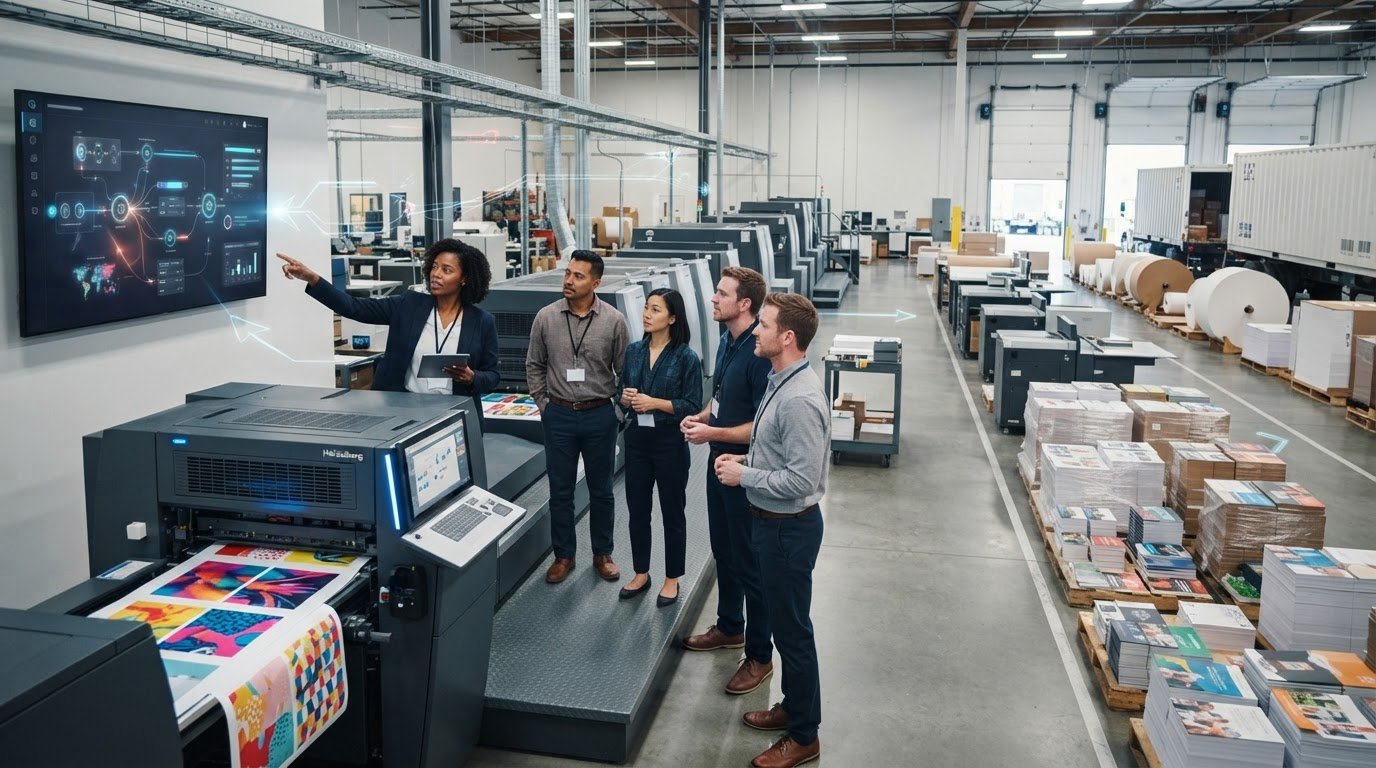
We don’t just print decals. Our approach transforms the way multi-location enterprises manage their physical environment by providing a centralized destination for complex production needs. Transitioning from a transactional vendor to a strategic communications ally means we prioritize your long-term operational goals. By 2026, the demand for durable floor graphics for high traffic areas has shifted toward integrated systems that require high-capacity production and meticulous quality control. We manage the nuances of modern marketing and logistics so you can focus on core business growth.
Our facility utilizes technology-driven solutions to ensure every graphic meets industrial standards. Precision cutting ensures that complex shapes and safety borders are finished with clean edges, reducing the risk of snagging or premature lifting. We use advanced UV-cured ink systems that provide superior bond strength to the substrate. This technological pride is grounded in over 30 years of industrial print expertise, allowing us to act as an agile problem-solver for your most challenging environments. Whether you’re managing a single flagship location or a nationwide network, our steady and confident rhythm ensures your project is in capable hands.
National Scalability and Consistency
Maintaining brand integrity across hundreds of locations requires more than just high-quality printing. It demands absolute color accuracy across diverse large-format substrates. We ensure that your brand’s visual identity remains consistent, whether it’s applied to a warehouse floor or a retail entryway. Logistics and distribution are handled with precision kitting, ensuring that every branch receives the correct materials and installation instructions simultaneously. You can significantly reduce administrative overhead by utilizing MarCom On-Demand ordering portals. These custom-built platforms allow local managers to order site-specific graphics while maintaining centralized control over brand standards and spend.
A Holistic Approach to Environmental Branding
We view the floor as just one component of a premium, holistic journey. By integrating durable floor graphics for high traffic areas with wall murals and window graphics, we help you achieve a total space transformation. This unified partnership model allows for data-driven production, where we leverage variable data to customize graphics for specific geographic locations or store layouts. Our consultative design process ensures that every visual element serves a strategic purpose, from wayfinding to safety compliance. We don’t just provide a service; we act as a catalyst for your organization’s growth by delivering scalable, high-tech solutions that endure the rigors of modern industrial use.
Transforming Floor Space into Strategic Assets
Achieving longevity in demanding environments requires a shift from transactional printing to technical engineering. By prioritizing substrate compatibility and rigorous safety standards, you ensure your facility remains both compliant and visually striking. We’ve explored how the right combination of UV-cured inks and polycarbonate overlaminates creates durable floor graphics for high traffic areas that withstand intense industrial wear. This holistic approach protects your brand and your people simultaneously.
Our 90,000-square-foot high-capacity production facility is equipped to handle national rollouts with the precision your brand deserves. With 30+ years of industrial printing expertise and our status as a G7 Master Qualified Printer, we guarantee color consistency across every location. We’re ready to serve as your strategic communications ally, turning complex logistics into a streamlined, holistic journey. Request a Quote for Your High-Traffic Large Format Project and let’s begin building a resilient visual strategy together. Your floors are a powerful asset; we’re here to ensure they perform at the highest level for years to come.
Frequently Asked Questions
How long do high-traffic floor graphics typically last?
Lifespan depends on the combination of foot traffic volume and mechanical wear. While promotional decals may fail in weeks, industrial-grade solutions often last six to twelve months in extreme conditions. In standard retail environments, these graphics can maintain their integrity for up to three years. Factors like exposure to sunlight and the frequency of industrial cleaning will ultimately dictate the replacement cycle for your specific facility.
Are floor graphics safe for all types of flooring?
Most commercial surfaces are compatible with floor graphics provided the adhesive chemistry matches the substrate. We utilize different bonding agents for porous concrete than we do for polished marble or hardwood. It’s essential to verify the floor’s finish before application. Some specialized coatings might require a specific high-tack vinyl to ensure the graphic doesn’t shift under pressure, protecting the underlying surface from damage during removal.
Can floor graphics withstand industrial cleaning machines and floor scrubbers?
Yes, graphics engineered with polycarbonate overlaminates and edge sealers are designed to resist rotary scrubbers. These protective layers prevent water and aggressive detergents from compromising the adhesive bond. You should wait at least 24 hours after installation before running heavy cleaning machinery over the area. This allows the adhesive to reach its full cure, ensuring the graphic remains flush and secure against the shearing forces of industrial brushes.
What is the difference between indoor and outdoor floor graphics?
Indoor graphics typically focus on slip resistance and high-resolution branding for smooth surfaces. Outdoor versions require foil-based or high-tack conformable vinyl to mold into porous asphalt or concrete. These outdoor materials must also feature superior UV-resistance and weatherproofing to prevent fading from sun exposure. Choosing the right material for the environment is the first step in deploying durable floor graphics for high traffic areas that won’t delaminate prematurely.
Do floor graphics leave a residue when removed?
High-quality floor graphics are engineered for clean, residue-free removal within their recommended lifespan. Using the correct adhesive for your specific floor type prevents the sticky buildup often seen with lower-grade products. If a graphic is left past its intended service life, a gentle application of heat can help soften the bond for a smoother transition. This ensures your facility’s floors remain pristine after the campaign or safety marking cycle ends.
How do I ensure my floor graphics are slip-resistant and OSHA-compliant?
Compliance requires using materials that meet the latest safety benchmarks. In 2026, this means adhering to the ANSI A326.3 standard with a minimum wet dynamic coefficient of friction of 0.42. We also verify that our durable floor graphics for high traffic areas achieve a Pendulum Test Value of 36 under ASTM E303-22. These certifications are vital for mitigating liability and ensuring a safe environment for both employees and the public.
Can you print custom shapes and sizes for floor decals?
Our precision cutting technology allows for virtually any custom shape or size required for your project. We produce everything from intricate brand logos to large-scale safety boundaries and directional wayfinding systems. This flexibility is supported by our high-capacity production facility, which maintains strict quality control across high-volume national rollouts. Whether you need standard rectangles or complex geometric patterns, our team ensures every piece is cut to your exact specifications with industrial accuracy.
How should I prepare the floor surface before installation?
Surface preparation begins with a thorough cleaning to remove dirt, grease, and old floor wax. We follow a strict de-waxing protocol because residual wax acts as a barrier that prevents the adhesive from bonding to the actual floor. Moisture testing is also necessary for concrete surfaces to ensure trapped vapor won’t cause bubbling. Taking these steps ensures the graphic achieves maximum initial tack and long-term adhesion, preventing the edge-lifting that leads to premature failure.