

 11/28/2026
 Steve Bearden
The delivery date is shaped before printing begins. Greeting card printing services involve more than press time: the card format, order quantity, artwork readiness, proof approval and shipping destination all affect the schedule. If you’re working toward a mailing or event date, build in time for each stage rather than counting only the days spent printing.
That planning matters, especially when you’re choosing between flat and folded cards or coordinating a larger custom order. This guide explains how those choices influence production, what sizing and design dimensions to consider, and how delivery timing is determined. You’ll also learn what information to have ready so the printer can move your order through production efficiently.
Key Takeaways
- Choose paper stock and thickness to support the card’s intended feel and presentation.
- Match the finished card size and artwork dimensions to the selected format before production.
- Plan delivery around artwork readiness, proof approval, production requirements, and shipping destination.
- Compare flat and folded formats by how much space you need for the message and design.
Q: Do you offer special printing options for greeting cards?
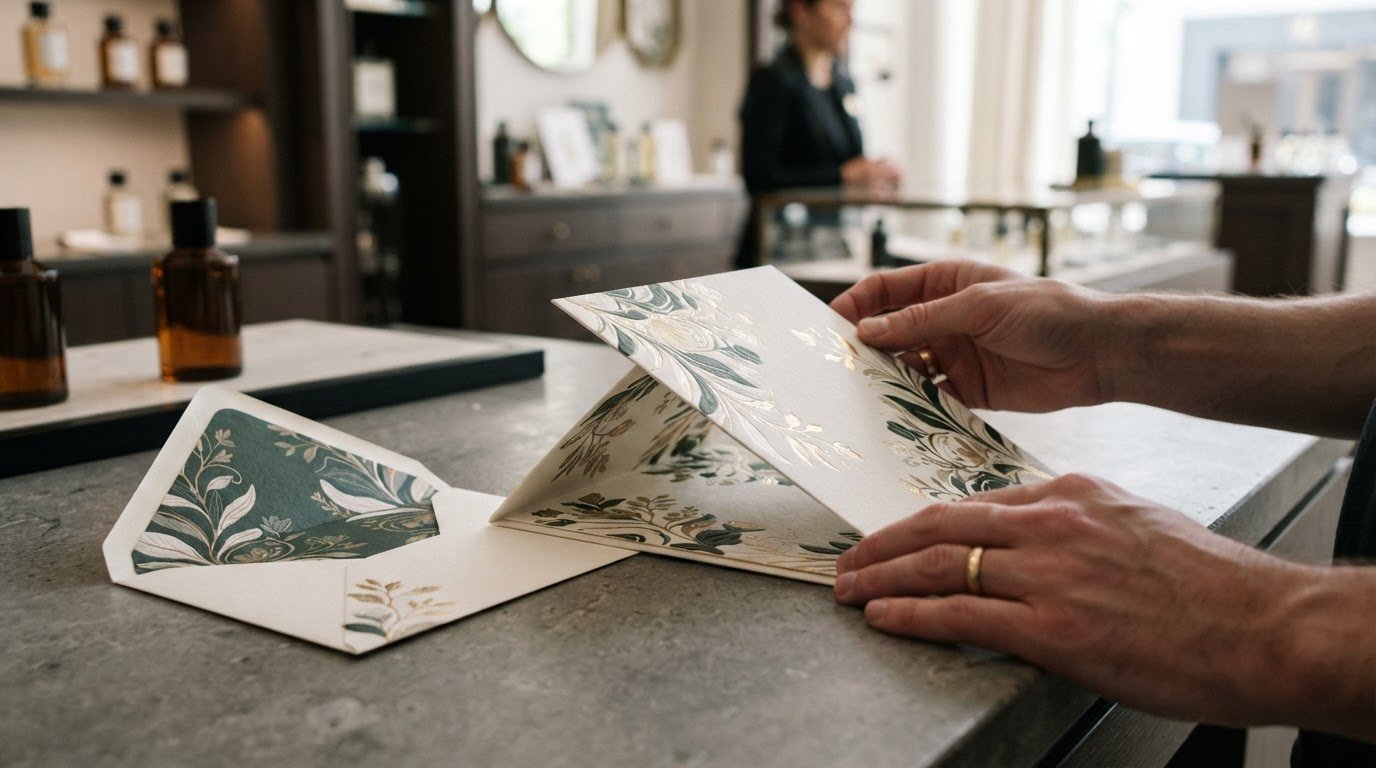
Yes. Digital and offset printing offer different production approaches for greeting cards, and variable data printing can personalize details across a run. Common options include coated or uncoated paper, heavier cardstock, and matte or gloss finishes. The right combination depends on the card’s appearance, use, quantity, and artwork.
Cardstock affects how a card feels and holds its shape. Paper weights use different measurement systems, so compare the specified stock and a printed sample rather than relying on a weight number alone. Uncoated stock can provide a natural surface that is easy to write on, while coated stock can give photographs and saturated artwork a smoother appearance. Coating may add sheen or protection, but can affect the feel and how well writing adheres.
Across the United States, greeting card printing can include digital, offset, and variable-data printing. Digital production can suit shorter runs or personalized greeting cards; offset printing is another approach for larger, consistent runs. Evaluate a printer by reviewing its paper samples, proof process, production capabilities, and the full quote scope. This gives you a clearer view of quality and value than comparing a single specification.
Cards can be flat or folded and produced in different finished sizes. The size and fold determine the artwork layout, printable panels, and space for the message. Confirm dimensions in the print-ready template before production. Keep essential text and artwork clear of trim edges, and review the proof at its finished size.
Color can look different on a backlit screen than on printed paper, and trimming can expose artwork placed too close to an edge. Review the proof for layout and color concerns before production. Ask for a quote that specifies stock, finish, quantity, proofing, and delivery so you can understand the project scope and charges.
Card size and design dimensions
Start with the finished card size and format, then build the artwork to match. A flat card has one or two printable sides; a folded card needs panels for the front, interior, and back. The printer’s template shows the layout, fold position, and trim area. Use it before placing headlines, signatures, or fine details.
Custom greeting cards should match the message. A short thank-you may need one clear line and generous open space. A company holiday card might include a logo, greeting, and personalized names. Keep important text away from trim edges and folds, where cutting or creasing could affect readability. Extend background colors and images through the designated bleed area when the template specifies one.
For a professional order, prepare the final wording, approved images, logo files, chosen format, quantity, and delivery requirements. Supply high-resolution artwork in the accepted file format, with fonts embedded or outlined if required by the production guidelines. If details vary across the run, variable data printing can add different names or messages to a consistent design, personalizing the cards without changing the overall layout.
Before approving a proof, review every panel, spelling, punctuation, image placement, logo proportions, and color treatment. Confirm that the fold is in the intended position and no essential content sits in the trim area. The proof is the production reference, so check the complete design, not just the cover.
Graphic design assistance can help organize supplied assets, refine panel layouts, and prepare files for print. Share the purpose, audience, required wording, and visual assets so the design work follows a clear brief. For projects that combine greeting cards with other printed materials, commercial printing capabilities can support a coordinated production approach.
How soon can I get my custom Greeting Cards delivered?
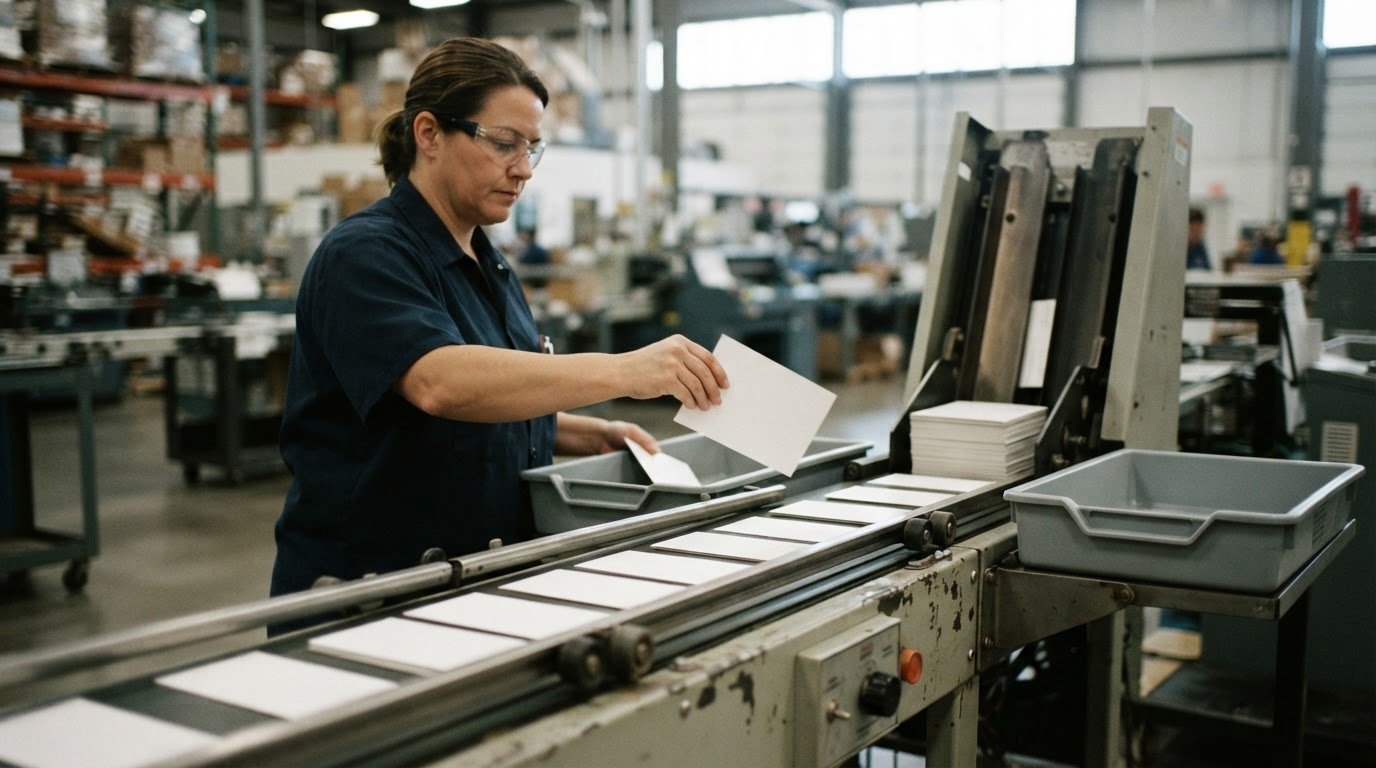
Delivery timing depends on more than press time. A custom greeting card order moves through artwork review, proof approval, printing, finishing, packing, and shipping. The schedule depends on the card’s format, stock, quantity, destination, and how quickly the proof is approved. If the cards have a mailing date, account for the full production and delivery process.
Print-ready artwork helps prevent avoidable delays. Use the template for the selected card size and fold, then place the design within its marked panels. A high-quality PDF can preserve layout and type, while image files need sufficient resolution for clear reproduction. Include the complete design, including the back and inside panels where applicable.
Before submitting files, confirm these production details against the printer’s specifications:
- Finished size and whether the card is flat or folded.
- Panel order, fold location, and trim or bleed areas.
- Image resolution, embedded fonts, and linked artwork.
- Final wording, quantity, shipping destination, and required arrival date.
After receiving the files, the printer reviews the artwork and prepares a proof for approval. Corrections can add time, particularly if the dimensions, color treatment, or supplied files change. Prompt approval of a complete proof helps production proceed without interruption. Shipping time depends on the destination and delivery method.
Local pickup and same-day service depend on a printer’s location and production schedule. For a firm deadline, confirm the pickup or rush process and plan around proof approval and delivery or collection. These steps matter as much as the printing method.
Flat and folded card formats
A flat card prints as a single sheet, while a folded card creates separate panels. A flat holiday greeting can place its message and image on one side, with a return address or secondary design on the reverse. The format keeps the layout direct and creates a compact piece to display or mail.
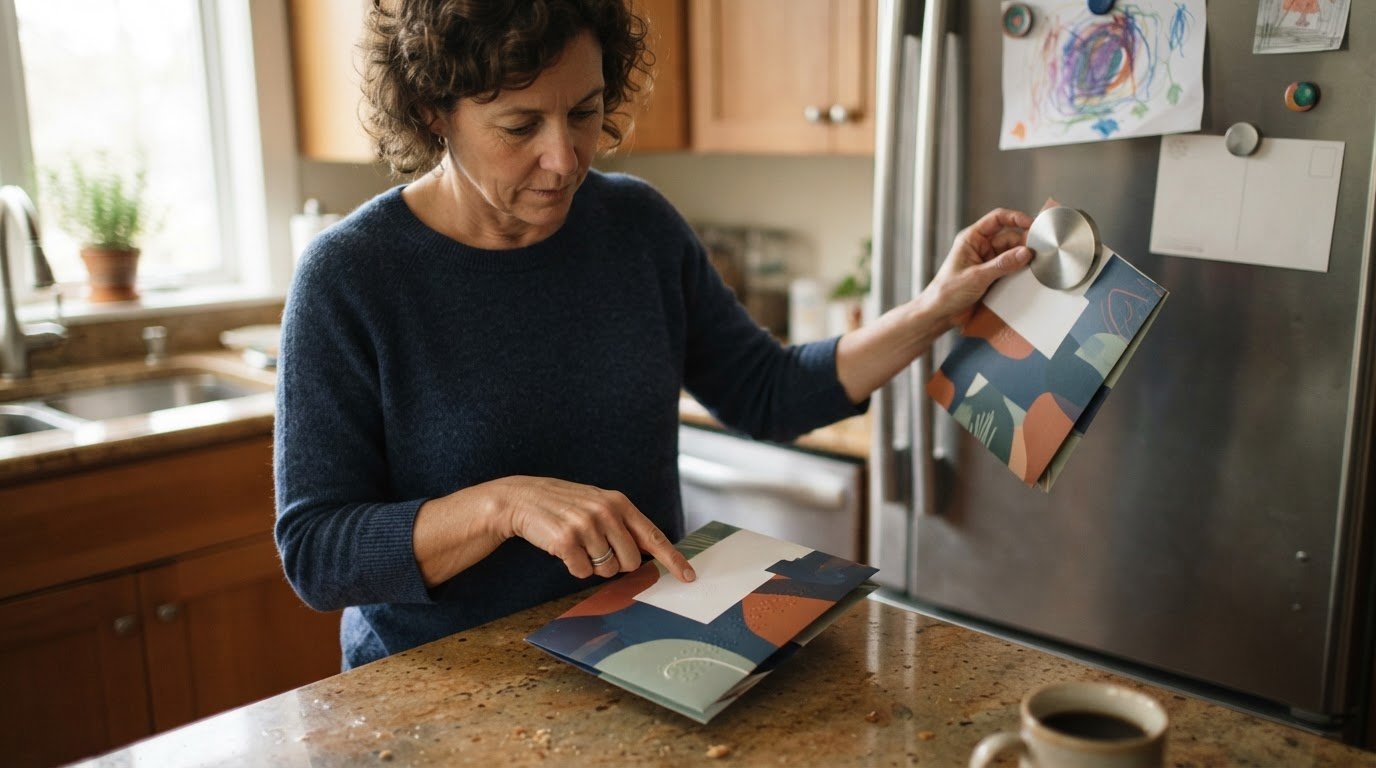
A folded card adds an inside spread for a longer message, signature, or supporting artwork. For example, a company holiday card could use its cover for a seasonal image and reserve the interior for a personalized greeting. The back panel can carry a logo or other supporting details. Set up the artwork to match the fold direction and panel order.
Choose a format based on how recipients will use the card. A short event announcement may work well as a flat piece. A thank-you note with a personal message may benefit from an interior panel. Either way, the finished size, fold, and mailing plan shape the design and production layout.
- Flat: Use a single-sheet design for a concise message or prominent image.
- Folded: Divide content across the cover, inside panels, and back.
- Both: Keep essential text clear of trim edges and the fold.
Before approval, review the printer’s proof as a complete piece. Confirm the front, back, interior panels, reading direction, and placement of logos or signatures. A holiday design with text near its fold may look balanced on screen but become difficult to read after finishing. Check that each panel communicates clearly in its intended position.
For campaigns that pair greeting cards with event visuals, coordinate the design system across formats. Explore large format graphics for complementary signage and display materials.
Linemark
Linemark helps organizations coordinate commercial print projects as part of broader communications programs. If greeting cards support a campaign, customer message, or seasonal mailing, coordinating the printed piece with related materials and distribution can help keep the project aligned. Linemark provides commercial printing and Direct Mail services, while Large Format Graphics can support matching campaign displays.
Bring your card format, approved artwork, quantity, and target delivery date to the project discussion. These details help clarify how the card fits your communications plan and what related print needs may be involved. For example, a holiday greeting to customers could accompany a mailing or campaign materials with a shared visual direction.
For coordinated print communications, contact Linemark to discuss your project.
Put your next card project in motion
A greeting card can stand alone or form part of a larger communications program. Decide what role it should play, who should receive it, and how it should connect with other materials. That gives the production discussion a clear starting point and helps shape the project around your audience.
Linemark supports organizations with coordinated print communications, including Direct Mail, Large Format Graphics, and Custom Book Printing. These services can complement a card campaign when your broader plan includes a mailing, display materials, or printed publications. Discuss the project’s purpose and how the card fits your communications needs.
For greeting card printing services, bring your intended format, artwork status, quantity, and delivery goals to the conversation. Contact Linemark about greeting cards to discuss your project and move toward a print plan that fits. Your next campaign can start with a clear message and a thoughtful production approach.
Frequently Asked Questions
What sizes are available for Greeting Cards?
Printers may offer standard finished sizes and custom dimensions, depending on the production setup. Choose a size based on how recipients will use the card, whether it needs an envelope, and how much room the message requires. A compact format can keep a corporate greeting focused; a larger piece may better suit artwork or additional content.
Can I get a price quote for my print job?
A quote request provides pricing for a specific print job. Include the finished size, format, quantity, paper selection, finishing needs, and shipping destination to define the production scope. Review the quote for setup, shipping, and other listed charges so you understand what the project total includes before approving the order.
Do folded Greeting Cards come with envelopes?
Not automatically. Envelope inclusion depends on the order specifications, so don’t assume folded cards include them. Check the written quote or order details for envelope quantity, size, and whether envelopes are packed with the cards. Matching the envelope to the finished card dimensions helps avoid fit issues, especially for unusual formats or cards with a bulky finish.
How long will it take to complete my print job?
Completion time depends on artwork readiness, proof approval, production requirements, finishing, and delivery destination. A project that needs revised files or additional review can take longer than one with approved artwork ready for production. Provide the required in-hand date and shipping destination with your order details, and allow time for delivery after production.
How much does it cost to print greeting cards, including setup and shipping?
The price depends on the project and is provided after a quote request. Cost factors include quantity, paper stock, printing method, finishing, setup requirements, and shipping destination. Review each line item to see whether setup and delivery are included in the quoted total. Comparing the same project scope helps make quotes easier to assess.
Can greeting card printing services print custom designs, photos, and personalized messages?
Printers can produce custom artwork, photographs, and personalized messages when the files and production plan support them. For example, a campaign may use one design with different recipient names. Linemark’s variable data printing supports personalized direct mail; prepare the card artwork for the intended personalization and supply approved images and final text so the printed message matches the design.