

 06/05/2026
  Steve Bearden
Offset printing isn’t a legacy method from a bygone era; it’s a high-tech, scalable strategy that provides the tactile authority required for professional book brands. Even with the rise of digital inkjet, offset still accounts for 58% of the total commercial print volume in the United States. If you’re planning a major release, understanding what is offset printing for books is essential for managing your margins and your brand’s visual identity.
You’ve likely felt the sting of high unit costs on small digital runs or the disappointment of inconsistent color across a large batch. It’s a common hurdle when trying to balance premium quality with national distribution. This guide promises to demystify how these sophisticated presses work and why they remain the gold standard for high-volume production. We’ll preview the technical advantages of this process, look at how 2026 sustainability trends and paper shifts are shaping the industry, and provide a clear framework to help you decide if this industrial solution is the right fit for your next project.
Key Takeaways
- Learn how the indirect transfer of ink from plates to rubber blankets creates the sharpest possible image quality for professional publications.
- Identify the critical break-even point where offset production delivers significantly lower per-unit costs compared to digital alternatives.
- Gain a comprehensive understanding of what is offset printing for books to ensure your project meets the rigorous visual standards of 2026.
- Recognize when your project requires the specialized coatings, foils, and paper weights that only a traditional offset press can accommodate.
- Discover how to scale your production for national distribution by leveraging a centralized, high-capacity manufacturing partner.
Defining Offset Printing in Modern Book Manufacturing
Industrial book production relies on a specific mechanical synergy to achieve high-volume precision. Understanding what is offset printing for books begins with the name itself. Unlike digital methods that spray ink or apply toner directly onto the page, offset “offsets” the image from a metal plate to a rubber intermediary before it reaches the paper. This indirect transfer remains the cornerstone of professional commercial printing, ensuring that every copy in a run of thousands looks identical to the first. For those seeking a deeper technical foundation, What is offset printing is often defined as the refined evolution of traditional lithography, adapted for modern speed and scale. This process is the primary choice for professional-grade commercial book production. It represents a strategic investment in brand longevity and visual impact that digital alternatives often struggle to match at scale.
To visualize this high-speed mechanical process in action, watch this detailed breakdown:
The Core Mechanism: Ink, Plates, and Blankets
The process centers on a sophisticated chemical principle: oil and water don’t mix. During production, custom aluminum plates are chemically treated so the image areas attract oil-based ink while the non-image areas attract water. This ensures the ink stays exactly where it belongs with microscopic accuracy. Once the plate is inked, it transfers the image to a rubber blanket cylinder. This blanket is the secret to clarity. Because the rubber is flexible, it conforms perfectly to the texture of various paper stocks, ensuring every letter is crisp and every image is sharp. Lithography is the scientific foundation of offset printing.
Why Industrial Quality Starts with Offset
Quality in the book world is often measured by the richness of the ink. Digital toner typically sits on top of the paper, creating a plastic-like sheen. Offset ink is absorbed more deeply into the paper fibers, resulting in a vibrant, integrated finish. This is critical for books featuring large areas of solid color. While digital presses may struggle with banding or streaks, offset presses use a series of rollers to distribute ink with absolute uniformity. This consistency creates tactile authority. When stakeholders ask what is offset printing for books, the answer is found in this uncompromising standard of visual excellence.
The Technical Workflow: How a Book Moves Through the Press
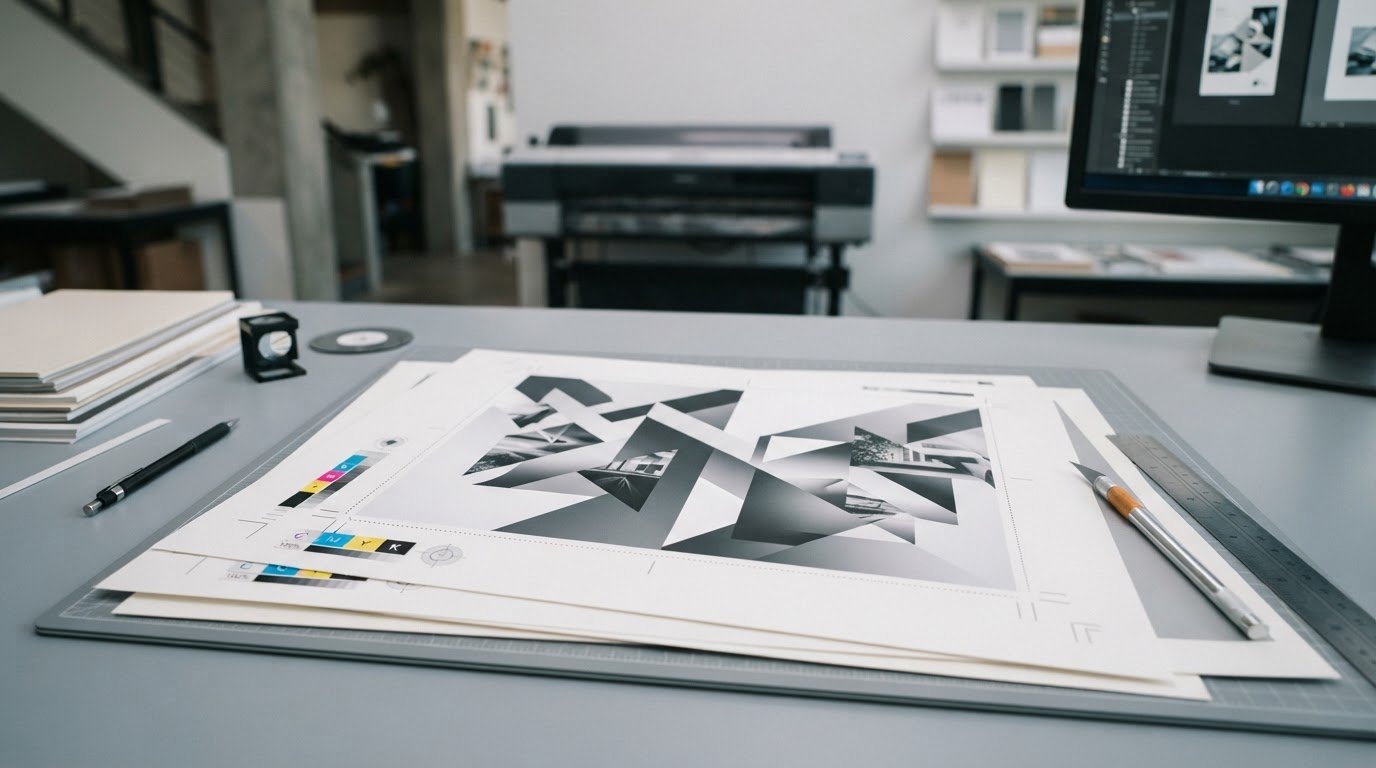
The journey from a digital file to a bound volume is a feat of industrial engineering. While digital printing relies on electronic charges, understanding what is offset printing for books requires looking at the physical plates that drive the process. It begins with pre-press; your high-resolution PDF is decomposed into four distinct color separations. This isn’t just a simple transfer. It’s a strategic translation of your digital vision into a mechanical blueprint.
Pre-Press and Plate Creation
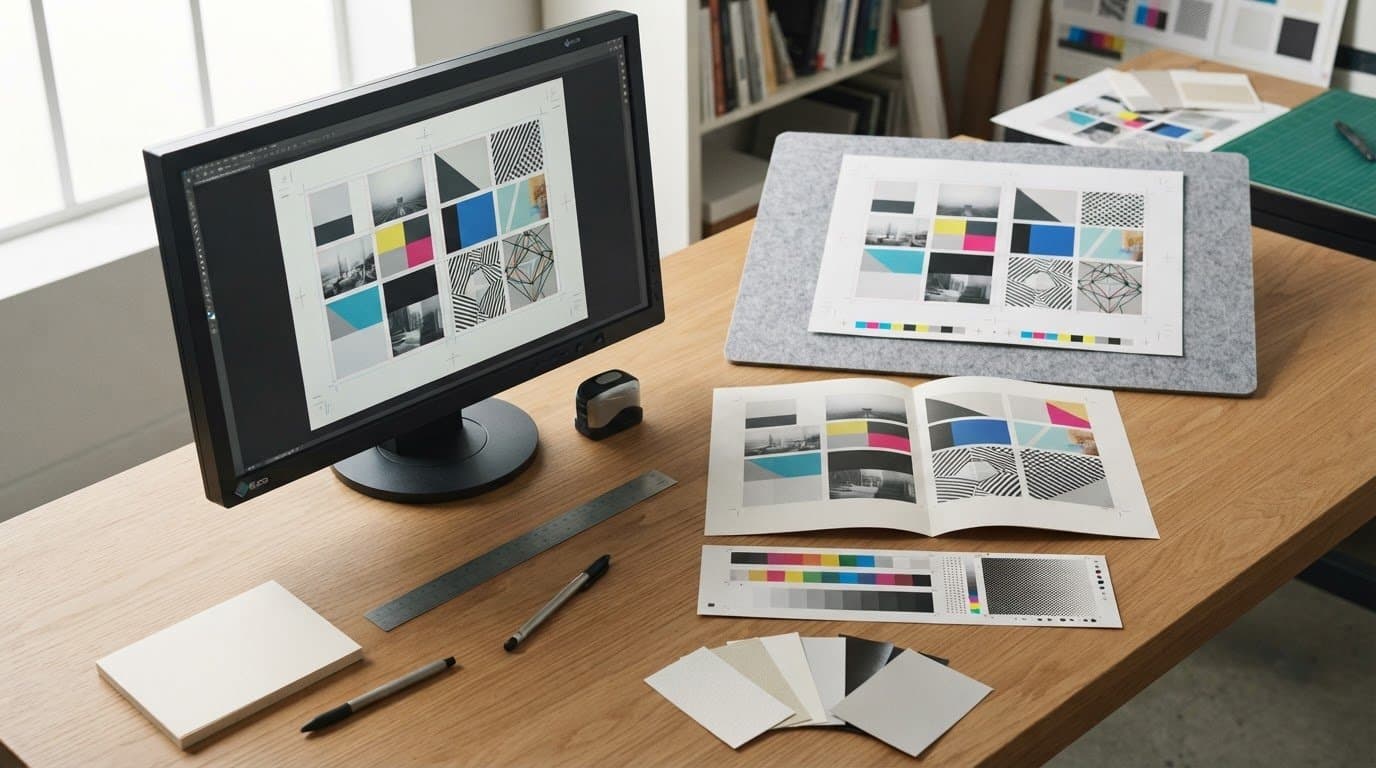
Plate creation is the most critical stage for ensuring accuracy. Modern facilities utilize Computer-to-Plate (CTP) technology, which bypasses traditional film to laser-etch images directly onto aluminum sheets. This shift has significantly accelerated setup times while increasing the precision of the final image. Each plate corresponds to one of the four CMYK colors: Cyan, Magenta, Yellow, and Black. If your file preparation isn’t flawless, the plates will reflect those errors. This makes rigorous pre-flight checks an essential part of the collaborative partnership.
Once the plates are mounted, the press run begins. The paper travels through a series of towers, each applying a single color layer. By the time the paper reaches the final tower, these overlapping dots create the full-spectrum results seen in museum-quality art books and high-end catalogs. This mechanical layering provides a depth and clarity that digital alternatives often lack.
Sheet-Fed vs. Web Offset: Choosing Your Speed
The scale of your project dictates the type of press used. Sheet-fed presses are the standard for high-quality custom book printing and shorter commercial runs. They pull individual sheets of paper through the press, allowing for meticulous color control and a wider variety of paper weights. These presses are ideal for projects that demand a boutique level of detail on a professional scale.
In contrast, web offset presses are designed for massive, continuous production. These machines pull paper from giant rolls at incredible speeds. They’re the primary choice for high-volume paperbacks, magazines, and catalogs. Our facility leverages advanced technology to bridge the gap between these methods, ensuring that even the most complex, high-capacity projects maintain operational excellence.
The workflow doesn’t end when the ink hits the paper. After the sheets or webs are printed, they move into the drying and finishing stages. This involves heat-setting the ink and applying protective coatings like aqueous or UV finishes. These final touches ensure the book is durable enough for national distribution. Mastering the nuances of what is offset printing for books allows you to navigate these technical stages with confidence, turning a strategic vision into a tangible, high-quality product.
Offset vs. Digital: The Strategic Comparison
Choosing between production methods requires a clear understanding of your project’s lifecycle. Digital printing operates on a “click charge” model where every page has a fixed cost regardless of the total quantity. This makes it ideal for small batches but creates a financial ceiling for growth. When evaluating what is offset printing for books, the financial logic flips. You encounter a higher upfront setup cost due to plate manufacturing and press preparation, but the running cost per unit is remarkably low. This creates a strategic break-even point, typically starting at 500 units, where offset becomes the only viable path for national scaling.
The Economics of Scale: Unit Cost vs. Initial Investment
In the offset world, the first book off the press might effectively cost thousands of dollars. However, the 5,000th book costs mere pennies. High-volume runs justify the initial investment because the cost of the aluminum plates and make-ready time is amortized across the entire batch. This is why offset still accounts for 58% of the total commercial print volume in the United States. For publishers looking to maximize their margins, understanding what is offset printing for books in the context of custom book printing volume strategies is the difference between a profitable release and a logistical burden.
Quality and Versatility Differences
Visual authority is another primary differentiator. Digital printing uses toner that is fused to the paper with heat, which limits the types of stocks you can use. Some premium or textured papers are too heat-sensitive for digital presses. Offset printing offers total flexibility. It handles heavier, premium paper weights that digital systems simply cannot feed. Additionally, offset allows for the use of Pantone (PMS) colors. While digital tries to simulate these through CMYK, offset uses actual pre-mixed inks for exact brand matching. This ensures your brand’s signature colors remain consistent across 10,000 copies, avoiding the color drift common in large digital batches.
When to Choose Offset for Your Book Project
Identifying the right production path is a matter of balancing volume with aesthetic ambition. While digital methods serve short-run needs, understanding what is offset printing for books reveals its true power in high-capacity environments. The standard threshold for a transition to offset is typically 1,000 copies. At this scale, the operational efficiency of the press provides the lowest possible cost-per-unit, making national distribution and retail placement financially sustainable. This is the point where the strategic investment in plate creation begins to pay significant dividends in your profit margins.
Determining Your Optimal Run Length
Consider your distribution model and projected demand. If you’re fulfilling orders for major retailers or educational institutions, a bulk run is essential for maintaining stock levels. Offset allows for consistent reprints where the color remains stable over years of production. Strategic inventory management ensures you don’t overproduce while maintaining enough stock for immediate fulfillment. Ask yourself these critical questions:
- Is the initial run over 1,000 units?
- Does the brand require precise Pantone color matching for logos or specific design elements?
- Will the book feature specialized finishes that digital presses can’t accommodate?
Specialized Finishes and Custom Aesthetics
High-end book design often requires more than just standard ink. Tactile elements like spot UV, aqueous coatings, and soft-touch laminates are best applied through an offset workflow. These finishes protect the cover while adding a premium feel that increases the book’s perceived value on a shelf. Metallic inks are another area where offset excels. Because these inks contain physical metal particles, they require the specific pressure and distribution of an offset press to achieve a true luster. Digital toners often fail to replicate this industrial shine, leading to a duller, less impactful result. When asking what is offset printing for books, the answer often lies in these premium, tactile details that define a luxury product.
Beyond the visuals, offset supports complex Binding & Finishing requirements. Whether you’re producing a Smyth-sewn hardcover or a high-pagination catalog, the structural integrity of an offset-printed book is superior for long-term use. This method isn’t just about printing; it’s about creating a durable, high-value asset for your brand. If you’re ready to scale your production and achieve museum-quality results, consult with our experts about our offset printing capabilities.
Scaling Success with Linemark’s Offset Production
Executing a national book release requires more than just high-speed presses; it demands a unified communications partner. Understanding what is offset printing for books provides the technical foundation, but the final result depends on operational excellence. Our 90,000-square-foot facility serves as a centralized hub where industrial capacity meets boutique-level attention to detail. This isn’t a transactional exchange. It’s a premium journey designed to move your project from the press to the hands of your audience with absolute precision.
High-Volume Precision and National Logistics
Consistency is the hallmark of professional manufacturing. When you’re producing thousands of units, even a minor color shift can compromise brand integrity. Our facility ensures museum-quality reproduction across every batch by utilizing advanced color management systems. Centralizing your production here simplifies nationwide distribution. By housing printing, binding, and kitting under one roof, we eliminate the logistical friction that often plagues multi-vendor projects. This integrated approach allows us to maintain the meticulous standards of a boutique shop while operating at a massive, national scale. Our team acts as an agile problem-solver, ensuring that high-capacity runs are handled with steady, confident control.
Integrating Book Production into Your Marketing Strategy
Custom books are transformative tools in a modern marketing ecosystem. They act as high-value lead magnets or comprehensive educational resources that establish your organization as a thought leader. However, a book doesn’t exist in a vacuum. It often works alongside commercial printing assets like brochures, catalogs, or annual reports to create a holistic brand experience. The tactile authority of a well-printed book reinforces your message in a way digital screens cannot replicate.
Strategic partners look beyond the ink. We help you integrate your book production with direct mail and fulfillment services to streamline your outreach. This unified model ensures that your high-volume projects are not only printed to the highest standards but are also stored, managed, and shipped with the same level of care. If you’re ready to move beyond the question of what is offset printing for books and start building a scalable communications strategy, we invite you to consult with our experts. We’ll help you determine the most efficient path for your specific goals, ensuring your next project is a catalyst for growth.
Elevating Your Publishing Strategy for 2026
Navigating the complexities of large-scale production requires a clear understanding of what is offset printing for books and how it drives long-term value for your brand. We have explored how the indirect transfer of ink creates unparalleled image clarity and why the strategic break-even point makes this the only logical choice for runs exceeding 1,000 units. By prioritizing tactile authority and precise color matching, you ensure your publication stands out in a crowded market.
Scaling these projects demands a partner with the infrastructure to match your ambition. With over 30 years of industrial printing expertise and a 90,000-square-foot high-capacity production facility, we provide the steady hand your project needs. Our G7 Master Facility Colorspace Certification ensures that every volume meets the highest standards of color precision. It’s time to transform your vision into a high-impact reality. Request a custom quote for your next high-volume book project. Your next great release is within reach.
Frequently Asked Questions
Is offset printing better than digital printing for books?
Offset printing is superior for projects where color fidelity and unit economics are the primary drivers. While digital excels at short-run speed, offset remains the gold standard for high-volume book production. It provides a level of ink saturation and tactile quality that toner-based systems can’t replicate. Choosing between them requires a clear understanding of your total volume and distribution goals.
What is the minimum order for offset book printing?
The practical minimum for an offset run is typically 500 to 1,000 copies. While we can technically run fewer, the initial setup costs make digital a more logical choice for very small batches. Understanding what is offset printing for books involves recognizing that the financial benefits truly activate when the quantity justifies the plate-making process.
How long does it take to print a book using the offset method?
Production timelines for offset are generally longer than digital due to the physical setup required. Plate creation, ink balancing, and drying stages add time to the front end of the project. However, once the press is running, it produces units much faster than digital alternatives. Modern AI-driven scheduling helps us minimize these lead times for our partners.
Why is offset printing cheaper for large quantities?
High-volume runs are more affordable because the fixed costs of plate manufacturing and press preparation are amortized across thousands of units. Digital printing has a fixed cost per page that never decreases. In contrast, the running cost of an offset press is extremely low once the initial make-ready phase is complete. This makes it the only viable solution for national scaling.
Can I use custom paper weights with offset printing?
Offset presses accommodate a significantly wider range of paper stocks and weights than digital equipment. Digital presses are often limited by heat sensitivity and mechanical feeding constraints. Offset allows you to select premium, textured, or exceptionally heavy stocks that enhance the tactile authority of your brand’s publication.
Does offset printing allow for variable data like digital does?
Standard offset printing doesn’t support variable data because the image is etched onto a fixed aluminum plate. If your project requires personalization like unique names or codes, digital printing is the necessary method. However, we can often utilize hybrid workflows that combine the quality of offset with the customization of digital for complex kitting projects.
What is the difference between sheet-fed and web offset printing?
Sheet-fed presses process individual pre-cut sheets of paper, offering meticulous color control for custom book projects. Web offset presses pull paper from continuous rolls at high speeds, making them the industrial choice for massive runs of catalogs or paperbacks. Both methods provide the high-quality results expected when asking what is offset printing for books at a commercial scale.
How do I prepare my files for an offset print run?
Prepare your files as high-resolution, print-ready PDFs with CMYK color profiles and standardized bleed settings. Ensure all images are at least 300 DPI to maintain clarity during the plate-making process. Our pre-press team works as a collaborative partner to perform rigorous pre-flight checks, identifying potential issues before they reach the physical plates.