

 03/12/2026
  Steve Bearden
A 2024 study by the Direct Marketing Association revealed a stark reality: 62% of enterprise marketing teams report that logistical friction between separate print and mailing vendors directly reduces their campaign ROI by up to 18%. It’s a costly operational drag you likely know all too well. Juggling multiple partners for a single campaign creates delays, inflates shipping costs, and makes true personalization nearly impossible at scale.
This guide is engineered to eliminate that friction. We will deliver the precise technical specifications and integrated strategies required to transform your high-volume catalog printing into a powerful, revenue-driving asset. From mastering data-driven personalization to implementing automated inventory and fulfillment systems, you’ll gain a clear roadmap to a streamlined, single-source production process that maximizes both reach and return.
Key Takeaways
- Discover why high-quality print catalogs are driving higher engagement and ROI in an era of increasing digital fatigue.
- Evaluate how strategic choices in binding and paper stock can transform your catalog printing projects and impact both shipping costs and perceived brand value.
- Learn to leverage Variable Data Printing (VDP) to deliver highly personalized content that significantly boosts customer response rates.
- Understand the advantages of an integrated logistics model to reduce total cost, maintain brand consistency, and accelerate national distribution.
The Evolution of Catalog Printing in 2026: Why Print Still Drives ROI
In an overwhelmingly digital marketplace, many Upper Marlboro businesses assume print is an artifact of a bygone era. This assumption is a costly mistake. The reality is that high-quality catalogs have become a powerful counter-cyclical tool, cutting through digital noise to deliver tangible brand experiences directly into your customers’ hands. Far from being obsolete, the modern catalog is a sophisticated, data-driven instrument in a multi-channel marketing strategy. The evolution of catalog printing from mass-produced mailers to highly targeted lookbooks reflects a strategic shift; it’s no longer about volume alone, but about impact.
This resurgence is fueled by a well-documented phenomenon: digital fatigue. The average executive receives over 120 emails per day, while social feeds are saturated with fleeting, algorithm-driven ads. A physical catalog, by contrast, is a welcome interruption. It commands attention. Data from a 2024 Gallup poll shows 41% of Americans look forward to checking their physical mail, creating a receptive moment for your brand message. For luxury goods or high-consideration purchases like custom furniture or specialized industrial equipment, this tactile connection is critical. The weight of the paper and the vibrancy of the ink communicate a level of quality and permanence that a pixel simply cannot.
The core innovation in modern catalog printing isn’t just about better ink; it’s about smarter execution. Digital printing technology and advanced data analytics now power smaller, hyper-targeted catalog runs. Instead of a single 200,000-piece mailing, a savvy business might now create four distinct 50,000-piece versions, each customized with products and messaging that resonate with a specific customer segment. This approach minimizes waste and dramatically increases engagement and ROI.
Commercial Printing vs. Online Boutique Printers
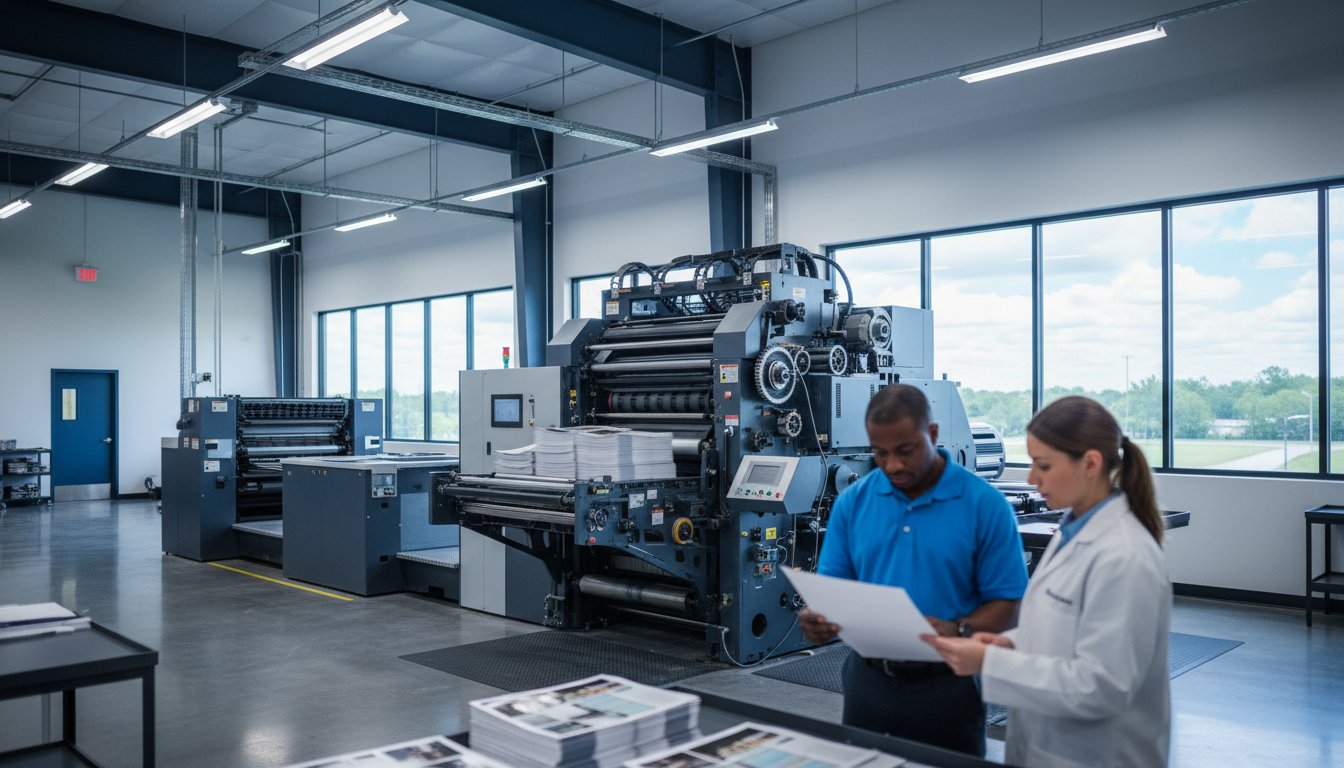
Executing a high-stakes catalog campaign requires an industrial-scale partner, not a simple “upload-and-print” service. Corporate runs demand a level of precision and capacity that online-only printers aren’t built to handle. A 90,000-square-foot facility isn’t about vanity; it’s the operational backbone that ensures color consistency, precise binding, and on-time fulfillment for tens of thousands of pieces. It represents the difference between a transactional order and a strategic print partnership that protects your brand’s integrity at scale.
The ROI of Tactile Marketing
The numbers confirm the value of print in a digital-first world. Projections for 2026 show that brands integrating targeted catalogs into their marketing mix see a direct lift in web traffic, with recipients spending an average of 28% more online than non-recipients. The physical medium itself becomes a brand ambassador. A catalog printed on a heavy, 100 lb. silk cover stock communicates authority and value before a single word is read. It feels important. This tangible quality builds brand equity and drives long-term loyalty.
True catalog ROI isn’t measured in a single sale, but in the elevated customer lifetime value created by a tangible brand experience that digital channels alone cannot replicate.
Technical Specifications: Choosing the Right Binding and Finishes
The transition from digital design to a physical marketing asset is where your catalog’s success is truly defined. The technical specifications of your project are not minor details; they are foundational decisions that impact durability, customer perception, and your bottom line. Aligning your catalog’s physical form with your brand’s market position requires a precise understanding of how binding, paper, and finishes function as a cohesive system. This is where strategic catalog printing moves beyond simple production and becomes a competitive advantage for Upper Marlboro businesses.
Saddle Stitch vs. Perfect Binding vs. Wire-O
The structural integrity of your catalog begins with the binding. Each method serves a distinct purpose, and choosing the right one is critical for both function and brand alignment.
- Saddle Stitch: This is the most cost-effective solution, created by stapling folded sheets along the spine. It’s the standard for publications under 64 pages, like seasonal lookbooks or promotional flyers, where rapid, high-volume production is the primary goal.
- Perfect Binding: For catalogs exceeding 48 pages, perfect binding offers a durable and sophisticated finish. Pages are glued to a flat spine, creating the clean, “book-like” edge seen on high-end retail catalogs and annual reports. This method signals premium quality and longevity.
- Wire-O and Spiral: When a catalog must lay perfectly flat, these mechanical bindings are the superior choice. Ideal for technical manuals, cookbooks, or B2B parts catalogs, they prioritize utility, allowing for hands-free reference and easy note-taking.
Paper Stocks and Specialized Coatings
Your paper selection directly influences both perceived value and logistical costs. A heavier paper stock, like a 100 lb. gloss cover, feels substantial in a customer’s hands, reinforcing a premium brand identity. However, that same weight can increase distribution costs. A strategic shift to an 80 lb. cover, for instance, can reduce postage expenses by up to 15% on a 50,000-piece mailing without a significant drop in perceived quality. The finish you choose also sends a message: gloss creates vibrant, high-impact photo reproduction, matte offers a modern and sophisticated feel, while uncoated stock provides an organic, tactile experience.
For catalogs sent via direct mail, protective coatings are non-negotiable. An aqueous or UV coating does more than enhance visual appeal; it acts as a durable shield against scuffing and moisture during automated postal sorting. Protecting this investment is critical, especially when authoritative sources like the U.S. Small Business Administration have analyzed Why Print Still Drives ROI in today’s market. Looking toward 2026, sustainability is a key differentiator. Opting for Forest Stewardship Council (FSC) certified recycled paper and soy-based inks demonstrates corporate responsibility and resonates with environmentally conscious consumers. The optimal integration of these elements is where a single-source partner delivers measurable results. Our material specialists can model the precise impact of these choices on your budget and timeline, ensuring a flawless execution from start to finish.

Personalization at Scale: Leveraging Variable Data Printing (VDP)
The era of the generic, one-size-fits-all catalog is over. Today’s customers expect a retail experience that understands their needs, and your print marketing must deliver that same level of relevance. For Upper Marlboro businesses aiming to maximize their direct mail investment, the solution is Variable Data Printing (VDP). This technology transforms a standard print run into thousands of unique, one-to-one conversations, driving engagement and measurable returns.
VDP isn’t just about printing a name on a cover. It’s a sophisticated integration of your customer data directly into the production process. By leveraging your CRM, you can create a truly customized catalog for each recipient. This deep level of personalization has a profound impact on customer behavior. Studies show personalized direct mail can lift response rates by up to 50% compared to static campaigns. The data is clear: a catalog that feels like a curated recommendation dramatically outperforms one that feels like a generic advertisement. This boost directly enhances the already proven ROI of catalog marketing, which a landmark Harvard Business Review study found can increase sales by 15% and inquiries by 70%.
How VDP Transforms the Catalog Experience
Imagine a customer who recently purchased patio furniture. Their catalog arrives with a cover showcasing new outdoor decor, a personalized URL to a curated landing page, and a unique 15% discount code for their next outdoor living purchase. This is the power of VDP. By using geographic data, a local hardware store can feature snow blowers on catalogs sent to Bowie while promoting hurricane supplies on those sent to coastal Annapolis. VDP effectively bridges the gap between your digital customer data and the tangible, high-impact experience of physical print.
Digital vs. Offset Printing for Catalogs
Choosing the right printing method is a strategic decision based on volume and customization needs. Traditional offset printing remains the undisputed champion for massive, static runs of 20,000 units or more, offering the lowest cost-per-piece. However, it cannot accommodate personalization. Digital printing is the engine behind VDP, perfect for high-customization projects and shorter runs. The “hybrid” approach offers a powerful compromise: we print the static “shell” of your catalog with offset and then use digital presses to imprint the variable covers, offers, and specific pages.
Looking ahead to the 2026 market, the cost-benefit analysis for your catalog printing project is becoming clearer. For targeted campaigns under 10,000 pieces, the higher conversion rates from VDP almost always justify the per-unit cost of digital printing. A successful strategy often involves:
- High-Volume Offset: A general catalog sent to your entire mailing list.
- Targeted Digital VDP: A highly personalized version sent to your top 10% of customers, featuring products based on their purchase history.
As your single-source partner, we provide the strategic guidance and production capabilities to execute the most effective and profitable approach for your business goals, ensuring every catalog you send is a powerful catalyst for growth.
Integrated Logistics: Kitting, Fulfillment, and Direct Mail
A beautifully printed catalog is only effective once it reaches the right hands. The journey from our press to your customer’s mailbox is where operational excellence truly matters. For Upper Marlboro businesses, managing separate vendors for printing, kitting, and mailing introduces unnecessary complexity, delays, and costs. Adopting a single-source partner model eliminates these friction points. By integrating the entire logistics chain, we consolidate project management, reduce shipping between facilities, and cut total project costs by an average of 15%.
Your reach shouldn’t be limited by your location. Our centralized Mid-Atlantic hub is a strategic asset, positioned to reach over 60% of the U.S. population within a two-day ground shipping window. This logistical advantage ensures your national campaigns are deployed efficiently, minimizing transit times and postage costs. It’s about turning geography into a competitive edge.
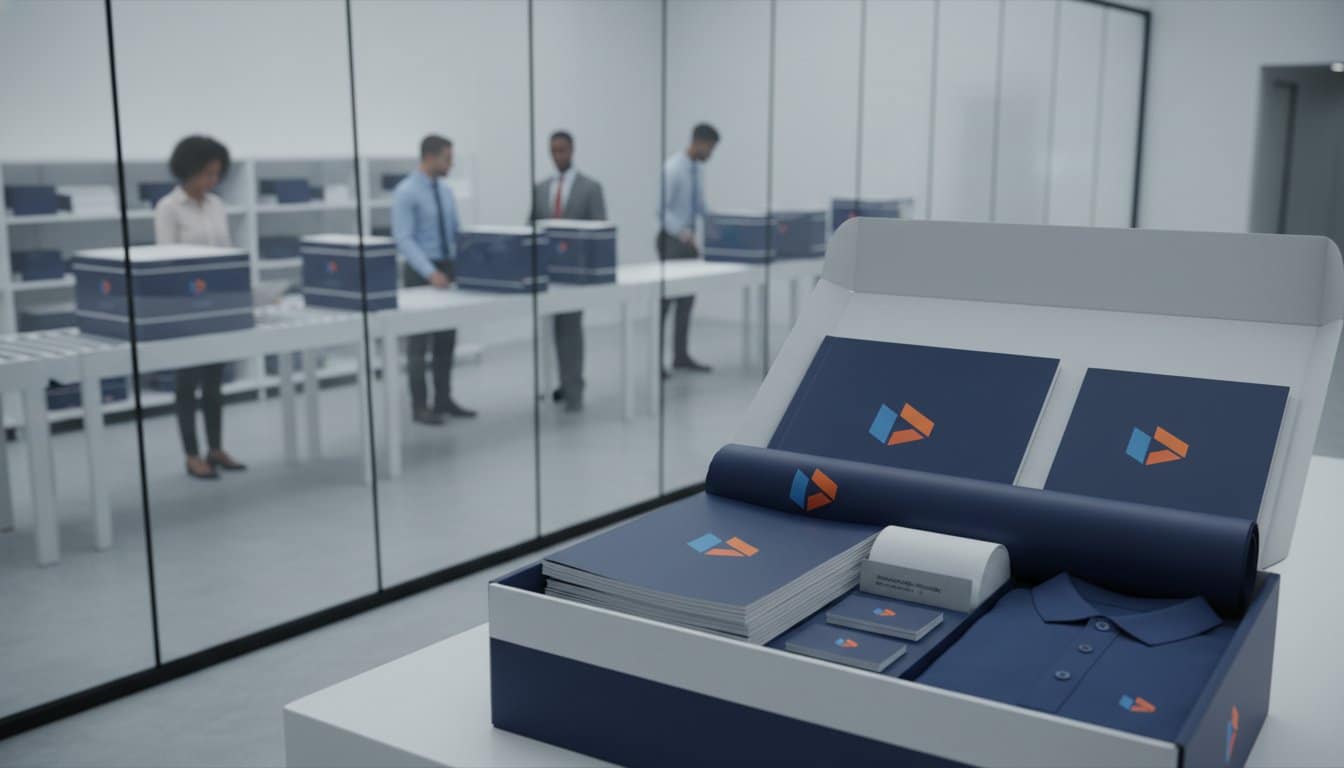
For high-end brands, the unboxing experience is a critical touchpoint. Professional kitting transforms a standard mailer into a curated package. Imagine a home décor catalog that arrives with select fabric swatches, or a holiday gift guide accompanied by a personalized, high-value coupon. These thoughtful additions don’t just drive sales; they build brand affinity. This is where meticulous assembly meets marketing strategy, creating a tactile experience that digital channels cannot replicate.
The Catalog Fulfillment Lifecycle
A successful distribution plan is built on a foundation of data and precision. Our process is engineered to maximize impact while minimizing waste and cost at every stage:
- Step 1: Data and List Hygiene. Before a single catalog is mailed, we process your mailing list through CASS certification and NCOA (National Change of Address) updates. This single step can eliminate up to 12% of undeliverable mail, preventing wasted print and postage expenses.
- Step 2: Precision Kitting and Assembly. Whether your project requires inserting a personalized letter, attaching a product sample, or polybagging for protection, our automated and manual assembly lines ensure every package is perfect.
- Step 3: Warehousing and Inventory Management. We provide secure, climate-controlled warehousing for your materials. This allows for on-demand fulfillment, enabling you to manage inventory for seasonal campaigns or ongoing replenishment without tying up your own space.
Direct Mail Integration
Choosing the right distribution strategy is paramount. Every Door Direct Mail (EDDM) is a powerful tool for achieving geographic saturation, ideal for local businesses targeting entire neighborhoods. A targeted mailing list, however, allows for precise segmentation based on demographic and psychographic data. Our experts guide you to the correct strategy for your campaign goals. For time-sensitive promotions, our integrated catalog printing and fulfillment services ensure your seasonal launches arrive exactly when intended. You can learn more about these complex logistics in our guide to Direct Mail Fulfillment Services.
Ultimately, smart logistics are what activate a print campaign. It’s the science of ensuring your investment in design and printing yields a measurable return. By entrusting the entire lifecycle to one expert team, you gain efficiency, cost control, and peace of mind. Discuss your fulfillment and mailing needs with a Linemark logistics expert today.
The Linemark Difference: MarCom On-Demand and Scalable Solutions
Executing a successful print strategy goes beyond design and paper choice. For businesses in Upper Marlboro with distributed teams, multiple locations, or complex marketing needs, the real challenge lies in management, consistency, and logistics. This is where a simple transaction ends and a strategic partnership begins. With over 30 years of experience, Linemark has engineered a suite of solutions designed to solve these exact challenges, transforming how your organization manages its print collateral.
We’ve built our reputation on precision and reliability. Our integrated approach ensures that every project, from a small batch of brochures to a massive national catalog printing run, receives the same meticulous attention to detail. It’s not just about putting ink on paper; it’s about building a seamless operational backbone for your marketing communications.
MarCom On-Demand: The Future of Catalog Management
Our MarCom On-Demand platform is a custom Web-to-Print portal that puts you in complete control. It centralizes your marketing assets, empowering your teams to order what they need, when they need it, without sacrificing brand integrity. This system drastically reduces administrative overhead by automating ordering workflows and eliminating endless email chains for approvals. Key benefits include:
- Centralized Control: A single, secure hub for all your brand-approved digital assets and catalog templates.
- Empowered Teams: Field offices or department heads can customize and order materials within pre-set brand guidelines.
- Automated Inventory: Real-time tracking of physical inventory levels with automated triggers for reordering, preventing stockouts of critical materials.
A national healthcare association with over 75 regional chapters recently leveraged our MarCom portal to streamline its annual benefits guide production. They reduced their internal administrative time by 60% and cut their production cycle from 10 weeks to just 3, all while ensuring 100% brand consistency across every chapter’s customized materials.
Your Strategic Partner in Communication
Linemark is more than a vendor; we are your single-source partner. Our 90,000-square-foot production powerhouse in Upper Marlboro is the engine that drives our integrated services, from initial design consultation and data management to printing, finishing, and nationwide distribution. We don’t just print your catalog; we manage its entire lifecycle. This comprehensive capability means your project is handled with maximum efficiency under one roof, ensuring quality control at every stage and eliminating the logistical headaches of coordinating multiple suppliers.
Your business deserves a partner that can scale with your ambitions and provide the technological tools to make your marketing more efficient and effective. Let us show you how our strategic approach to catalog printing can deliver measurable results for your bottom line. Take the first step toward a more streamlined and powerful print strategy today.
Request a custom catalog printing quote from Linemark and discover the difference a true communications partner can make.
Execute Your 2026 Catalog Strategy with Precision
As we look toward 2026, it’s clear that the most effective catalogs are far more than printed pages. They are highly personalized, data-driven marketing assets that generate measurable ROI. True success hinges on a sophisticated strategy that blends advanced technical specifications, like variable data printing, with seamlessly integrated fulfillment and logistics. This approach ensures your message not only looks exceptional but also reaches the right hands at the right time, demanding a partner who has mastered this complex ecosystem.
This is where the Linemark difference becomes your competitive advantage. For over 30 years, we’ve provided the expertise that turns ambitious concepts into reality. Our 90,000-square-foot advanced production facility is engineered to handle complex, high-volume catalog printing projects with unmatched precision. As your single-source partner, we manage the entire lifecycle of your project, from initial production to integrated kitting and nationwide fulfillment, delivering a streamlined and scalable solution.
Ready to transform your brand’s reach and drive tangible results? Partner with Linemark for your next high-volume catalog project. Let’s build a powerful connection with your audience, together.
Frequently Asked Questions About Catalog Printing
What is the most cost-effective binding for a 64-page catalog?
Saddle-stitching is the most cost-effective binding solution for a 64-page catalog. This method uses two industrial staples along the spine, a process that is highly efficient for catalogs up to 80 pages. It delivers a professional, flat-lying finish without the higher per-unit costs associated with perfect binding or coil binding. This ensures your budget is maximized for print quality and distribution, not unnecessary finishing expenses.
How long does the typical catalog printing and mailing process take?
The entire integrated process, from final file approval to in-home delivery, typically takes 10 to 15 business days. This timeline consists of 5-7 business days for printing and binding, followed by 5-8 business days for postal induction and delivery. As your single-source partner, we streamline this workflow by managing both production and mailing logistics under one roof, providing a detailed project schedule within 24 hours of your approval.
Can I personalize the cover of each catalog for different customers?
Yes, you can absolutely personalize each cover using our Variable Data Printing (VDP) capabilities. Our advanced digital presses allow you to print unique customer names, targeted marketing offers, or custom images on every single catalog. This one-to-one marketing approach has been shown to increase response rates by up to 50% compared to static mailings. We integrate VDP directly with your customer database for seamless, high-impact execution.
What paper weight is best for a catalog that will be mailed?
An 80lb gloss text for interior pages combined with a 100lb gloss cover is the optimal choice for mailed catalogs. This specific combination provides a substantial, high-quality feel while remaining under the 3.3-ounce weight threshold for the most favorable postage rates. The 80lb interior pages are durable enough to withstand the mailing process, and the heavier 100lb cover offers superior protection and a premium first impression upon arrival.
Do you offer inventory management for large catalog runs?
Yes, we provide comprehensive inventory management and fulfillment services as part of our integrated solutions. Our system includes climate-controlled warehousing and a proprietary online portal for on-demand shipping requests. You can store your catalog inventory with us and release quantities as needed for different campaigns or sales cycles. This service is designed for scalability, saving you operational overhead and valuable warehouse space.
What is the difference between digital and offset catalog printing?
Offset printing is the most cost-effective solution for large quantities, typically over 500 units, due to its lower per-unit cost at high volumes. Digital printing is the superior choice for smaller runs and projects requiring personalization. Offset uses plates to transfer ink, making it ideal for static content. Digital printing is plate-less, offering the flexibility for variable data and economical short-run production. We’ll analyze your project to recommend the optimal method.
How can I reduce postage costs for my catalog mailing?
You can achieve the lowest possible postage costs by using USPS Marketing Mail rates and ensuring your mailing list is CASS-certified. Our data specialists process every list through CASS and NCOA software, which can reduce undeliverable mail by over 15% by correcting addresses. We also co-mingle mailings with other projects to achieve maximum postal discounts, a benefit we pass directly to our partners.
What file formats are required for high-quality catalog production?
A press-quality PDF, specifically a PDF/X-1a file, is the industry-standard format required for flawless production. This file type embeds all fonts, converts images to the correct CMYK color mode, and flattens transparency to eliminate potential printing errors. For optimal results, ensure all images have a resolution of 300 DPI and your files include a 0.125-inch bleed on all sides. Our pre-press team performs a complimentary 24-point file check before production begins.