

 04/10/2026
  Steve Bearden
In today’s competitive marketplace, the visual language of your brand is often the first and most lasting impression you make on a potential client. As we move deeper into 2026, the noise of the digital world has become a deafening roar, making the tangible, tactile nature of high-quality print more valuable than ever. However, simply putting ink to paper isn't enough to drive results. To truly stand out, engage, and deliver results, your typography must bridge the gap between artistic expression and strategic communication.
Typography is no longer just about selecting a font that looks "nice." In 2026, it is about intentionality, accessibility, and the seamless integration of brand personality across every physical touchpoint. Whether you are designing a high-end coffee table book or a high-volume direct mail campaign, understanding the nuances of modern typography is paramount to your project's success.
The Great Divide: Print vs. Digital Typography
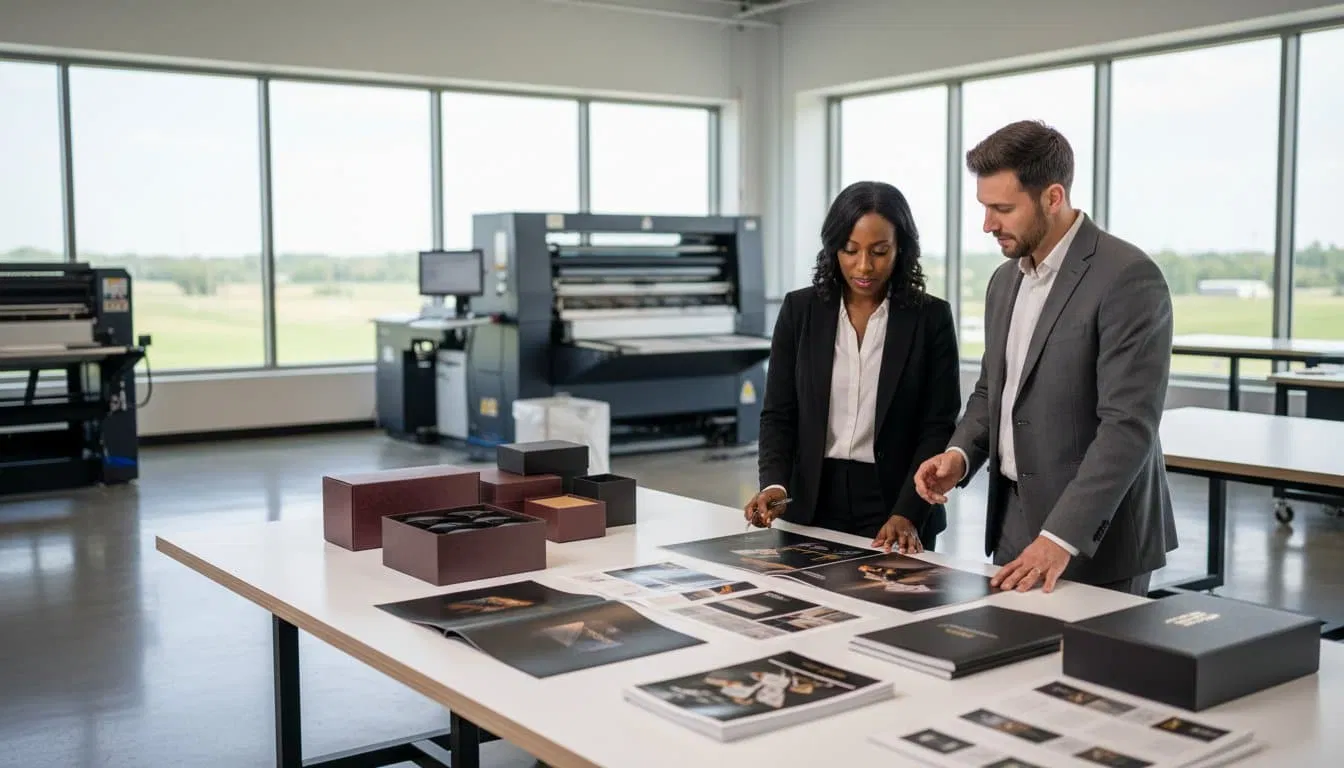
While the lines between digital and physical marketing continue to blur, the technical requirements for typography in these two mediums remain distinct. In the fast-paced world of digital design, fonts are often chosen for their ability to scale across various screen resolutions and light sources. In print, however, we deal with the permanence of ink, the texture of paper, and the variable of ambient light.
When designing for print, resolution is your greatest ally. While a digital screen might display at 72 or 144 DPI, our advanced digital presses at Linemark Printing, Inc. handle far higher densities, allowing for crisp, razor-sharp edges even in the most delicate of serif typefaces.
However, a font that glows beautifully on a backlit smartphone might disappear or "fill in" when printed on a porous, uncoated stock. In 2026, the trend is moving toward "print-first" typefaces: fonts specifically engineered with "ink traps" and adjusted stroke weights to ensure that the physical outcome matches the digital vision.
2026 Typography Trends: From Retro-Modern to Expressive Distortion
If 2023 was the year of "clean and corporate," 2026 is the year of "bold and authentic." We are seeing a significant shift away from generic, neutral sans-serifs toward typefaces that possess a distinct character and narrative.
1. The Serif Revival and Retro-Modernism
We are witnessing a massive resurgence of high-contrast serif fonts. These typefaces, reminiscent of 1970s editorial design but polished with a sleek, 2026 edge, signal sophistication and heritage. For premium branding and luxury marketing materials, these "Retro-Modern" serifs provide a sense of established authority that a minimalist sans-serif simply cannot replicate.
2. Expressive and Exaggerated Forms
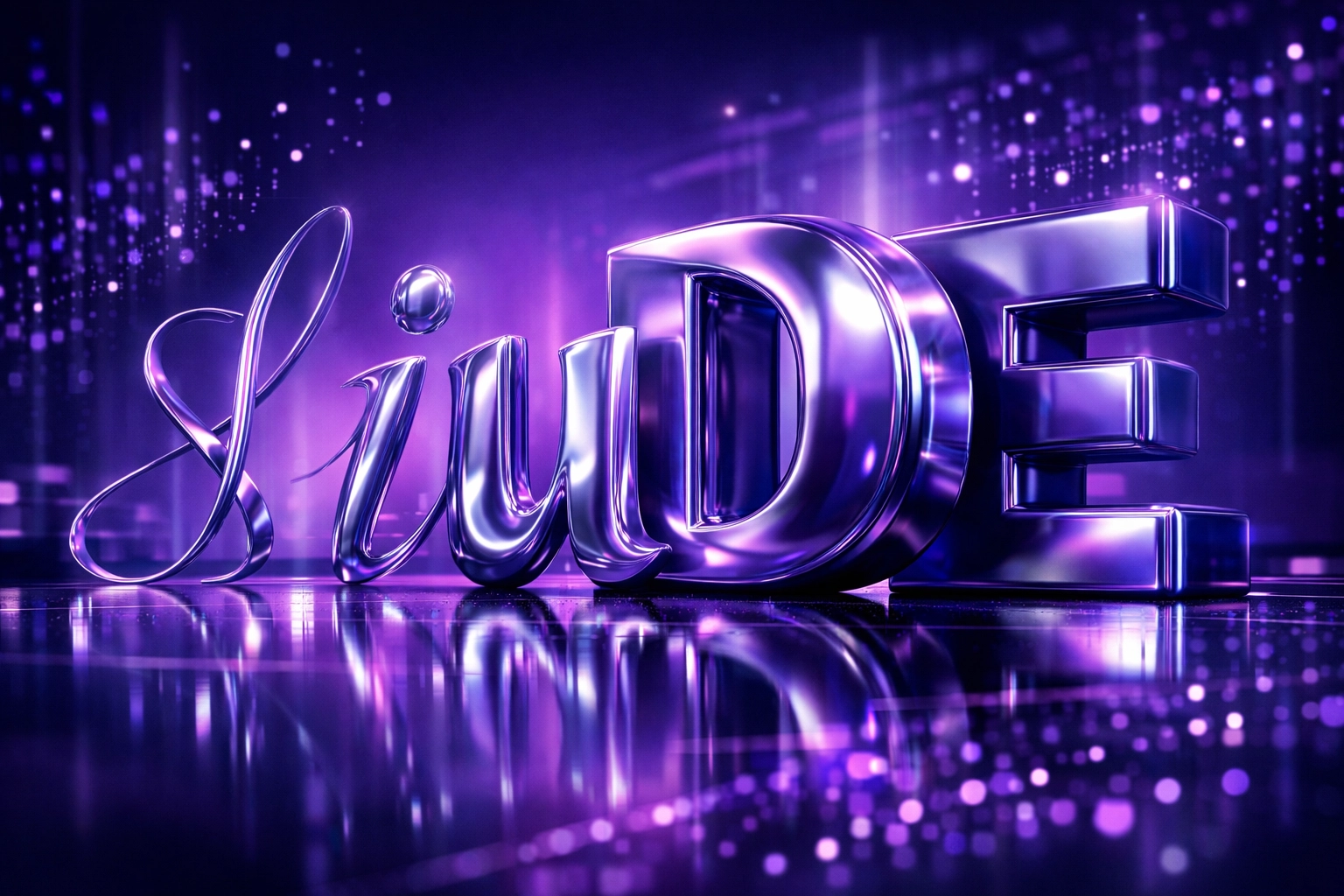
In today’s attention economy, sometimes you have to shout to be heard. We are seeing a rise in "puffy," liquid, and exaggerated letterforms that transform words into graphic elements. These fonts are highly effective for retail display banners and point-of-sale materials where visual impact is the primary goal.
3. Typographic Distortion and Streetwear Influence
For brands targeting a younger, more rebellious demographic, typographic distortion: stretched, warped, or asymmetric lettering: is gaining significant traction. This "anti-design" movement challenges traditional legibility in favor of a raw, forward-thinking aesthetic.
4. Variable Fonts: The Ultimate Versatility
Technically speaking, variable fonts are the cornerstone of modern design workflows. A single font file can now contain an infinite range of weights, widths, and styles. This allows for fluid design adjustments, ensuring that your typography remains consistent whether it is featured on a large-format retail display or a tiny return address label.
Maximizing Impact in Direct Mail and Marketing Materials
Direct mail remains one of the most effective ways to break through digital fatigue, but its success relies heavily on the "three-second rule." Your recipient needs to understand your offer almost instantly. This is where the intersection of craftsmanship and innovation becomes critical.
For high-volume direct mail and variable data printing (VDP), legibility is the single most important factor. While an expressive, distorted font might work for a fashion lookbook, it could be the downfall of a personalized insurance offer.
Pro-Tips for Direct Mail Typography:
- Contrast is Key: Ensure a high level of contrast between your font color and the background. Dark text on a light background remains the gold standard for readability.
- Scale for Seniority: If your target demographic is 55+, don't be afraid to increase your body copy to 11 or 12 points. Accessibility is not just a trend; it is a necessity for conversion.
- Use Hierarchy to Guide the Eye: Use bold, high-contrast headers to call out your primary offer, followed by clean, legible sans-serifs for the supporting details.
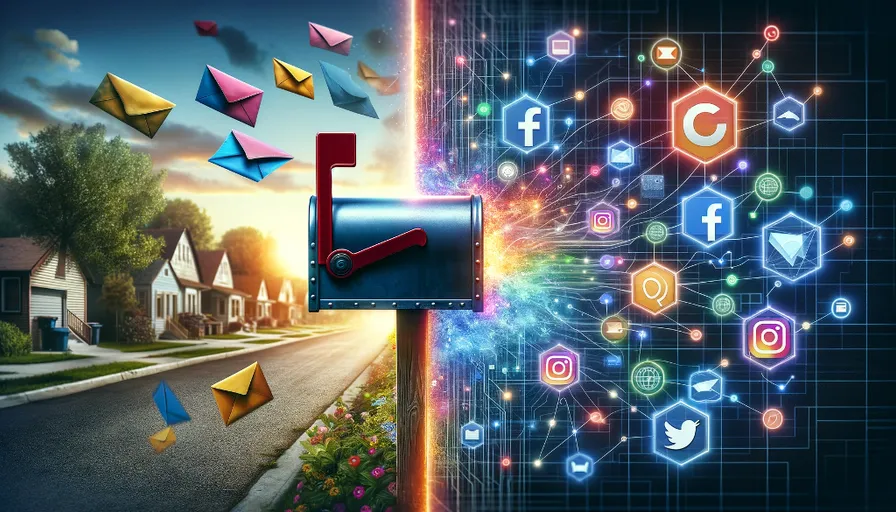
Integrating these print materials with digital icons and QR codes creates a seamless multi-channel experience. Your typography should bridge these two worlds, maintaining brand recognition as the customer moves from their mailbox to their mobile device.
Technical Precision: Color and Licensing
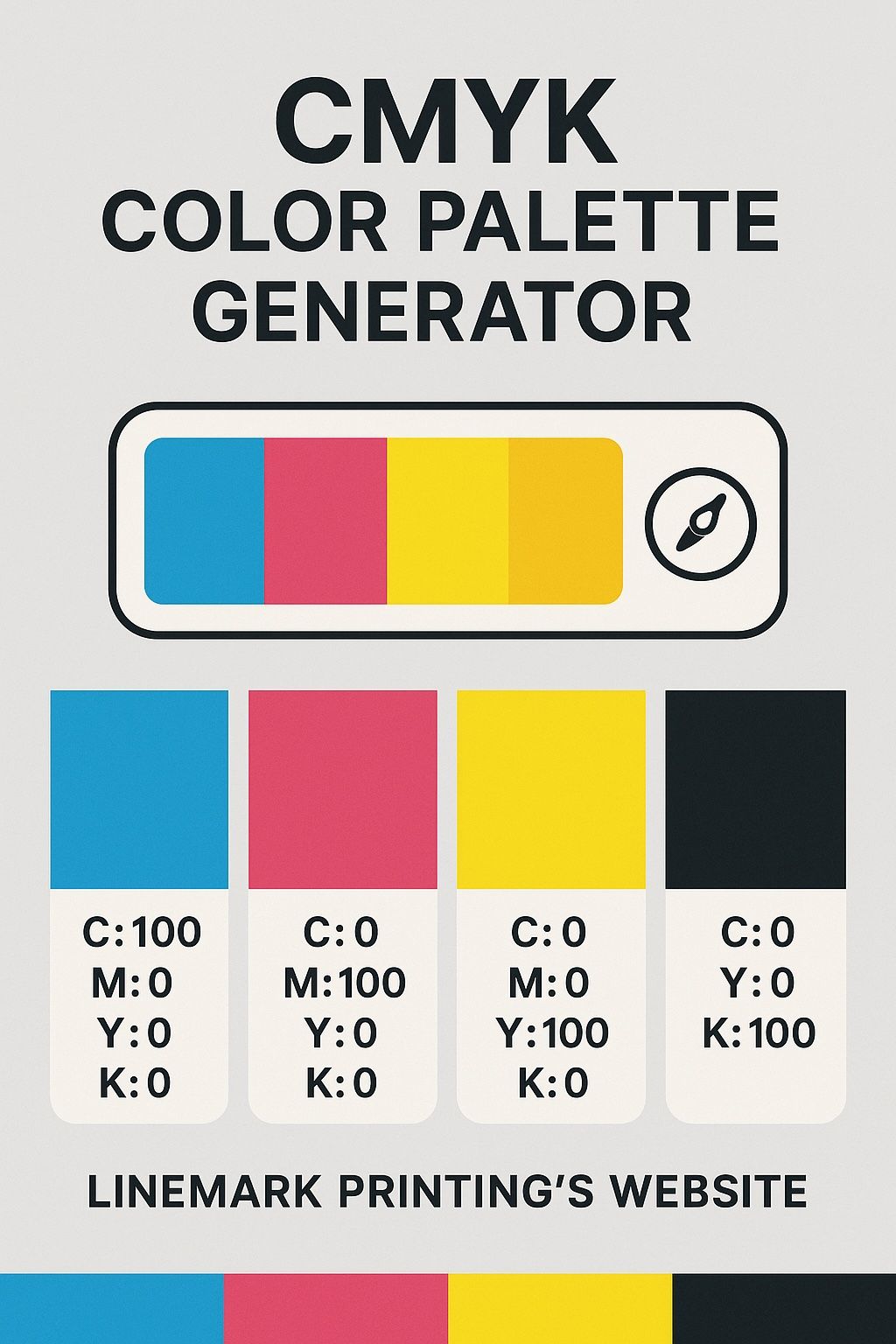
In the world of professional printing, what you see on your monitor isn't always what you get on the press: unless you have a partner who prioritizes precision. Typography color management is an art form in itself. When using "rich black" for large display type or delicate pastels for wedding stationery, ensuring CMYK accuracy is vital to prevent blurry edges or "ghosting."
Furthermore, in 2026, font licensing has become more complex. Gone are the days of "borrowing" a font file. Brands must ensure they have the proper desktop and web licenses to avoid legal pitfalls. At Linemark, we always recommend using licensed libraries or high-quality open-source fonts like those found in Google Fonts to ensure your project is both beautiful and compliant.
Accessibility: Design with Purpose
As an industry expert, I cannot emphasize enough the importance of inclusive design. Accessibility in typography means more than just "big letters." it involves:
- Proper Leading: Giving your lines of text enough "room to breathe" (usually 120-145% of the font size).
- Avoiding All-Caps for Long Blocks: It is significantly harder for the human brain to process blocks of all-caps text compared to standard sentence case.
- Font Choice: Avoiding overly decorative scripts for essential information like terms of service or contact details.
Are you ready to enhance your brand’s physical presence? Whether you’re working on a complex book project or a targeted direct mail campaign, the team at Linemark Printing, Inc. is here to ensure your typography is rendered with the precision, speed, and consistency your brand deserves.
From our advanced equipment list to our expert consultation services, we provide the tools you need to turn your creative vision into a tangible reality. Visibility is everything: make sure your brand speaks clearly.
If you have a project ready to go, you can use our file uploader to get started, or contact us today to discuss how we can help you master the art of typography in your next print run.