

 04/09/2026
  Steve Bearden
In the fast-paced world of professional publishing and corporate communications, the "first impression" of a physical book isn’t just about the cover design: it is about the weight, the feel, and the mechanical integrity of the object itself. In today’s competitive marketplace, where digital noise is constant and fleeting, a high-quality hardcover book serves as a permanent anchor for your brand, providing a tangible sense of authority and prestige.
However, once you have perfected your manuscript and finalized your layout, you face a critical technical fork in the road: How should the book be bound?
At Linemark Printing, Inc., we believe that craftsmanship meets innovation. Choosing between smyth sewn binding and PUR binding is one of the most important decisions a publisher or organization can make. Both methods deliver a professional, "casebound" hardcover finish, but they serve different needs regarding durability, functionality, and budget.
In this guide, we will break down the "truth" behind these two powerhouse binding methods to help you decide which is the right fit for your next project.
The Gold Standard: Understanding Smyth Sewn Binding
When people talk about "archival quality" or "heirloom books," they are almost certainly talking about smyth sewn binding. This method is the traditional hallmark of high-end bookmaking, and for many, it remains the undisputed king of hardcover book printing.
How It Works
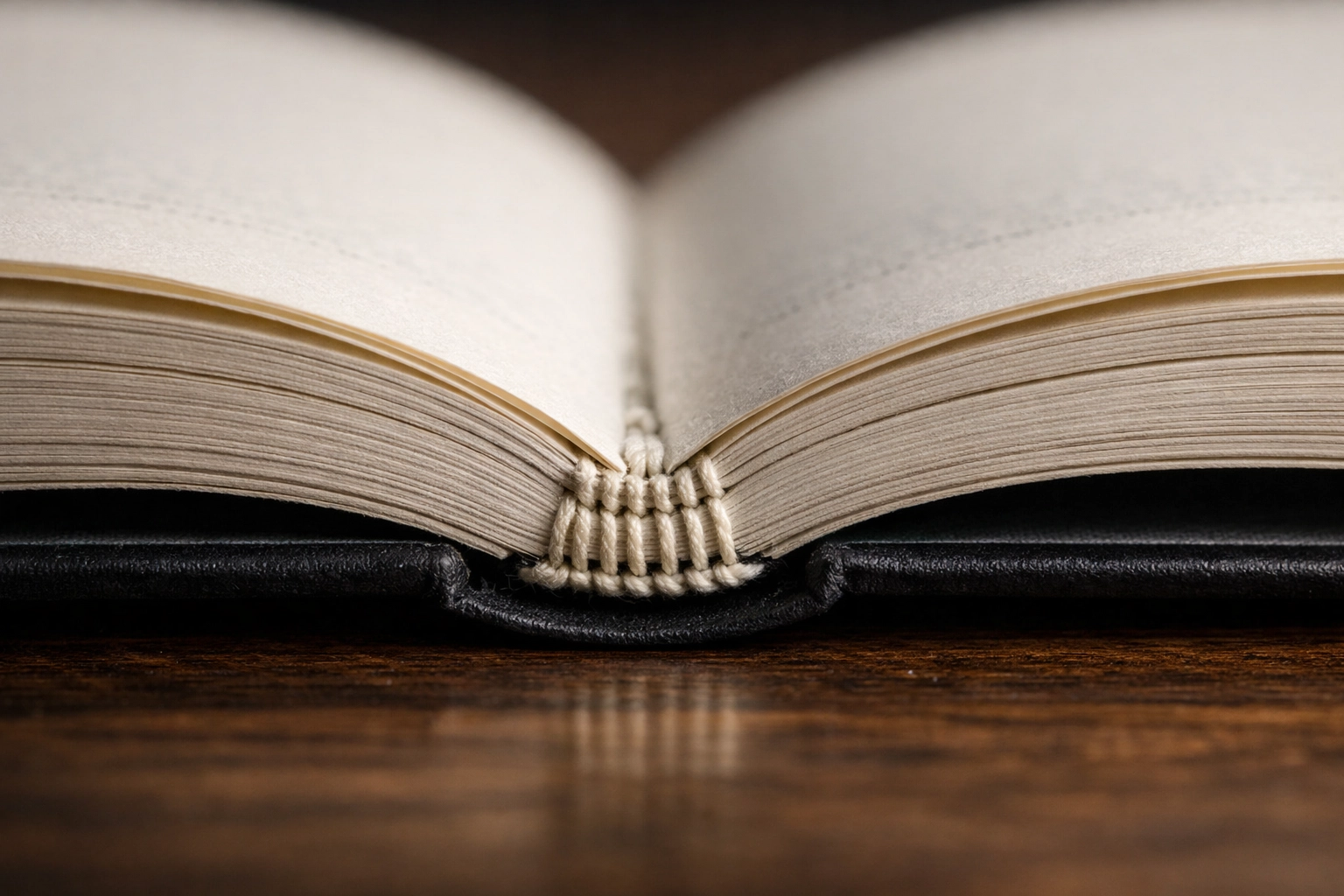
Smyth sewing is a method where groups of folded pages (called "signatures") are stitched together using industrial needles and high-strength thread. These signatures are then sewn to one another, creating a continuous thread-link across the entire spine of the book. Finally, the sewn block is glued into a hardcover case.
Because the pages are physically held together by thread rather than just adhesive, it is mechanically impossible for a single page to fall out without someone literally ripping the paper.
The Key Benefits of Smyth Sewn
- True Lay-Flat Ability: Because the spine is held together by flexible threads rather than a rigid layer of glue, smyth sewn books have a natural 180-degree lay-flat ability. This is paramount for cookbooks, art books, and high-end journals where the reader needs the book to stay open without being held down.
- Unmatched Durability: Smyth sewn binding is designed to last for decades. It is the preferred choice for library editions and textbooks that will see heavy, repeated use over many years.
- Premium Aesthetic: If you look closely at the center of a signature in a smyth sewn book, you can actually see the stitches. For many collectors and publishers, this visibility is a sign of authentic craftsmanship and quality.
The Modern Powerhouse: Understanding PUR Binding
While smyth sewing represents the tradition of the craft, PUR binding represents the cutting edge of modern efficiency and chemical engineering. PUR stands for Polyurethane Reactive, a specialized adhesive that has revolutionized the world of perfect-bound and hardcover books.
How It Works
PUR binding is a form of "perfect binding" used in hardcover production. Instead of sewing signatures together, the spine of the gathered pages is milled (roughed up) and a thin layer of PUR adhesive is applied. This glue is unique because it doesn't just "dry": it cures through a chemical reaction with moisture in the air and the paper fibers. This creates a bond that is significantly stronger and more flexible than traditional EVA (Ethylene Vinyl Acetate) glues used in older paperback printing.
The Key Benefits of PUR Binding
- Strength Meets Flexibility: While not as permanent as thread, PUR is the strongest adhesive available in the printing industry. It is highly resistant to temperature extremes, meaning your books won't fall apart in a cold warehouse or a hot delivery truck.
- Cost-Effectiveness and Speed: PUR binding is a highly automated process. At Linemark, we can produce thousands of PUR-bound books in the time it takes to sew a few hundred. For organizations working with tight deadlines or budget constraints, PUR offers a premium look without the "premium" lead time.
- Clean, Modern Spine: PUR binding creates a very square, clean, and smooth spine. It is ideal for books with a lower page count (40–400 pages) where a crisp, modern aesthetic is desired.
Smyth Sewn vs. PUR: The Head-to-Head Comparison
Choosing the right method requires balancing three pillars: Longevity, Usability, and Investment.
| Factor | Smyth Sewn Binding | PUR Binding |
|---|---|---|
| Durability | Archival (Decades) | High (Years of regular use) |
| Lay-Flat | Excellent (180 degrees) | Moderate (Improved over standard glue) |
| Production Time | Longer (Requires sewing + curing) | Faster (High-speed automation) |
| Page Security | Maximum (Mechanical bond) | High (Chemical bond) |
| Best For | Textbooks, Art Books, Heirlooms | Corporate Reports, Short-run Books |
The Lay-Flat Factor
If your book contains large-scale photography or technical charts that span across two pages (a "spread"), smyth sewn binding is usually the winner. The ability for the book to lie completely flat ensures that no part of the image is lost in the "gutter" (the middle crease of the book).
However, if your book is primarily text-based: such as a corporate history or a yearly manual: PUR binding provides more than enough flexibility for a comfortable reading experience.
The "Ink Coverage" Challenge
One often overlooked factor in hardcover book printing is ink coverage. If your pages have heavy ink coverage all the way to the spine, traditional glues often struggle to "grip" the paper. Smyth sewing bypasses this issue entirely because it relies on needles and thread. PUR, however, is famous for its ability to bond to almost any substrate, including coated stocks and heavy ink, making it a viable alternative for high-speed digital projects.
Why Your Choice of Printer Matters
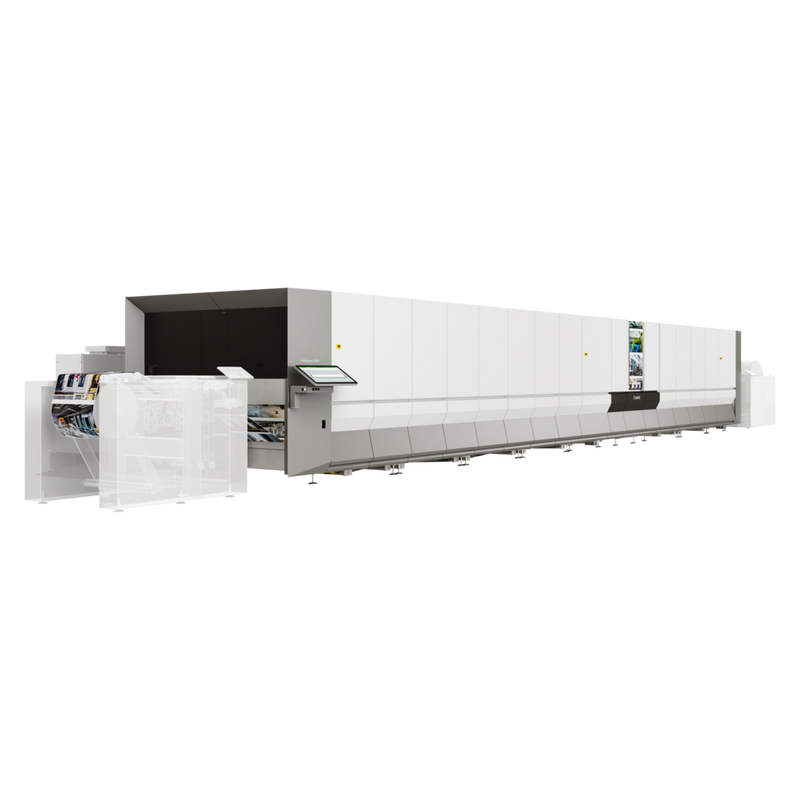
In today's digital age, the technology used to print your pages is just as important as the method used to bind them. At Linemark, we utilize advanced equipment like the Canon ProStream series to ensure that the "guts" of your book match the quality of the exterior.
Our high-speed digital inkjet technology allows for precision, speed, and consistency. When you combine this level of print quality with our expert finishing services, you get a product that is designed to stand out, engage, and deliver results. Whether you are looking for a short-run of 100 commemorative books or a large-scale publication, our team: led by industry experts like Steve Bearden: ensures every detail is optimized.
Real-World Use Cases: Which One Should You Choose?
Choose Smyth Sewn If:
- You are producing a Textbook or Reference Manual that will be opened and closed thousands of times.
- You are printing a Coffee Table Book where images must lay flat across the center.
- The project is a Limited Edition or Heirloom where "archival quality" is a selling point.
- You have a generous production timeline and want the absolute pinnacle of bookmaking.
Choose PUR Binding If:
- You are doing a Short-Run Book Printing project with a quick turnaround.
- You need a Professional Hardcover Finish for a corporate annual report or brand guide.
- You are working within a specific Budget but want something significantly better than standard paperback binding.
- Your book has a Thin Spine where sewing might be impractical.
Final Thoughts: Crafting a Lasting Impression
Whether you choose the traditional mechanical strength of smyth sewn binding or the modern chemical resilience of PUR binding, the goal remains the same: to create a physical object that reflects the value of the information inside.
A well-bound hardcover book is more than just paper and glue (or thread); it is a statement of permanence. In a world where digital content is deleted or forgotten in seconds, a hardcover book sits on a shelf, waits on a desk, and demands attention.
Are you ready to enhance your organization’s physical presence? Visibility is everything, and the right binding is the cornerstone of a successful publication.
At Linemark Printing, Inc., we are your single-source partner for precision print and marketing solutions. From the first digital proof to the final stitch or glue-drop, we deliver communications that last.
Contact our team today to discuss your next hardcover project and find out which binding method will drive the best results for your brand.